(vasep.com.vn) Vietnam’s seafood exports reached US$1.14 billion in August 2026, up 6.4% year on year, bringing the total for the first eight months to more than US$8.0 billion, an increase of 11.9%. Monthly export value remained above US$1 billion, but August growth was only around half the rate recorded cumulatively through the first eight months. This indicates that the eight-month result was supported significantly by stronger performance in earlier months, while market conditions are entering a less predictable period.
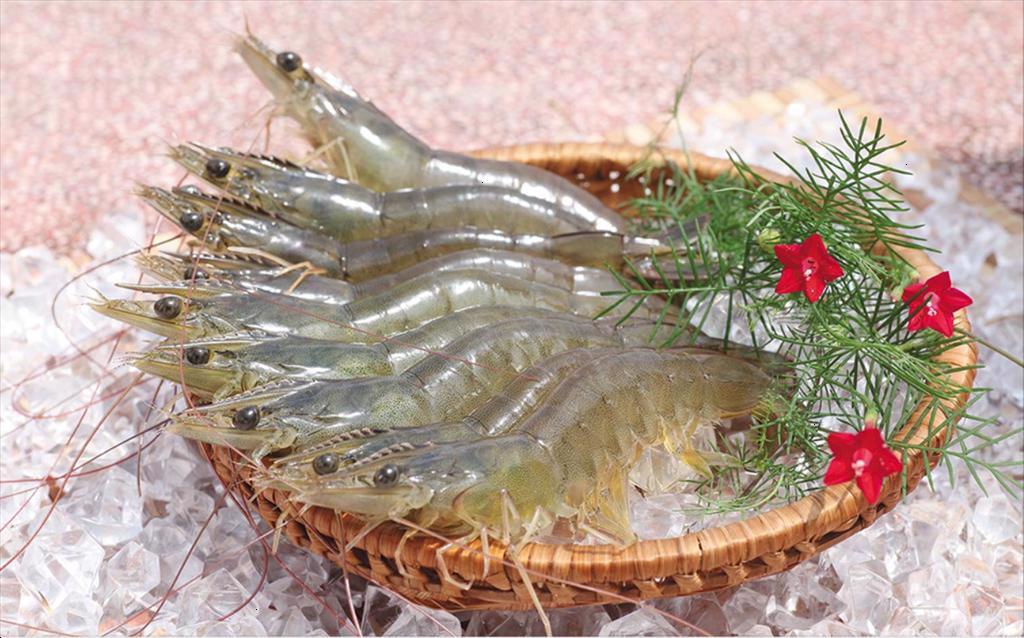
Shrimp remained the largest seafood export category, reaching US$478.5 million in August and nearly US$3.28 billion in the first eight months. Pangasius exports totaled US$204.9 million in August and US$1.52 billion cumulatively. Tuna, squid and octopus continued to post increases, although at a slower pace. Crab, swimming crab and other crustaceans stood out with growth of 50.2% in August and 34.1% in the first eight months, although their scale remains insufficient to determine the overall trend.
The U.S. becomes the biggest variable for Q4
Vietnam’s seafood exports to the U.S. fell 3.8% in August to US$182.0 million. Shrimp exports declined 12.6%, while pangasius dropped 49.3%. For the first eight months, exports to the U.S. were still up 1.5%, but this increase was relatively fragile as shrimp and pangasius exports had already fallen 11.7% and 13.2%, respectively.
The decline is not attributable to tariffs alone. U.S. sales of fresh and frozen seafood both fell by more than 7% in August. High inventory levels have prompted importers to limit new purchases, shorten contract periods and exert greater pressure on prices. Therefore, even if demand for year-end holiday consumption emerges, imports may not necessarily increase accordingly if distributors continue to prioritize inventory reduction.
From July 24, 2026, many Vietnamese seafood products became subject to an additional 12.5% Section 301 tariff. This tariff is added to the most-favored-nation duty and, depending on the product or company, may be combined with anti-dumping and countervailing duties. As a result, the cost to importers may rise by significantly more than the additional 12.5% tariff alone.
For pangasius, the final results of POR21, announced on August 12 with less favorable duty rates than the preliminary results, have directly affected pricing and supplier selection. Vietnamese pangasius exports to the U.S. are therefore unlikely to recover quickly in Q4, particularly for companies facing higher duty rates or uncertainty over applicable conditions.
For shrimp, the final results of the anti-dumping duty review are expected to be announced in early November. This is relatively late for the year-end purchasing season, requiring exporters and importers to make decisions without having full visibility on their potential tariff obligations. If final duties rise significantly, existing contracts could face disputes over pricing, cost-sharing or delivery schedules.
Beyond tariffs, seafood entering the U.S. is also subject to requirements under the Marine Mammal Protection Act (MMPA), admissibility certification for certain products, forced-labor controls, food-safety requirements and increased enforcement by U.S. Customs. Proposed tighter controls on imported seafood containing antibiotic residues also warrant monitoring, although not all such proposals have become official regulations.
Alternative markets are not entirely favorable
Exports to the EU fell 6.2% in August. Shrimp declined 23.5%, tuna 15.6%, and squid and octopus 32.4%. Wild-caught seafood products continue to face challenges related to raw-material declarations, catch certificates and requirements to connect with the CATCH system.
Meanwhile, Vietnamese pangasius exports to the EU increased 33.3%, benefiting from tighter supplies of cod and other wild-caught whitefish. This presents a notable opportunity for portion-sized, processed and certified pangasius products.
China and Hong Kong generated more than US$2.0 billion in seafood imports from Vietnam during the first eight months, up 32.0%, although growth slowed to 16.5% in August. Ecuadorian shrimp is regaining access to this market, while China reopened its Yellow Sea–Bohai Sea fishing season in early September. Rising supply could put downward pressure on wholesale prices and make importers more cautious following the National Day holiday.
ASEAN exports continued to increase, rising 17.4% in August, with positive results for tuna, shrimp, squid and octopus. However, ASEAN primarily serves as a complementary market for processed products and smaller specifications and cannot yet replace the scale of U.S. demand for shrimp and pangasius.
Vietfish 2026 was a notable trade-promotion event in August, creating additional connections with international buyers and domestic distribution networks. However, its effectiveness should be assessed through the number of sample requests, trial orders and contracts generated in Q4 rather than simply visitor numbers or meetings held at the exhibition.
Businesses need to prepare for a more challenging scenario
Vietnam’s target of approximately US$12.0 billion in seafood exports in 2026 remains achievable if the final four months maintain an average of nearly US$1 billion per month. However, downside risks are increasing, particularly if U.S. demand does not recover, shrimp tariffs announced in early November prove unfavorable, or IUU and MMPA documentation continues to delay shipments.
Exporters to the U.S. should calculate total tariff obligations for each product and legal entity rather than applying a single average tariff rate to their overall business plan. Contracts should clearly define responsibilities in the event of tariff changes, the timing for determining applicable duties, price-adjustment mechanisms and the sharing of additional costs.
For shrimp, businesses should prepare at least two scenarios ahead of the early-November results while limiting inventory without confirmed outlets. For pangasius, exporters need to accelerate efforts to expand into the EU, Middle East, ASEAN and other whitefish substitution segments. For wild-caught seafood, IUU, MMPA and traceability documentation should be verified from the raw-material procurement stage.
With raw-material, feed and compliance costs all increasing, pursuing export value through lower prices could transfer market risks into corporate finances. The priority for Q4 is therefore not simply to secure more orders, but to select orders for which tariffs, documentation, receivables and profit margins can be effectively managed.
📊 Detailed Data and Market Scenarios in the Full Report
The article above provides an overview of the key developments in Vietnam’s seafood exports in August and the first eight months of 2026.
The full VASEP report provides:
📈 Detailed data by seafood category, market and business group.
🌐 Analysis of the U.S., EU, China, Japan and ASEAN markets.
🦐 Assessment of trends in shrimp, pangasius, tuna, squid–octopus and other seafood categories.
🚢 Updates on raw materials, production costs, logistics and market policies.
🔎 Three export scenarios and key indicators to monitor during the final four months of 2026.
📄 Report preview and registration for the Vietnam Seafood Market and Export Report – August 2026.
🔍 VIEW REPORT PREVIEW
📥 REGISTER TO RECEIVE THE FULL REPORT
Contact:
Ms. Nguyen Hai Yen
✉️ nguyenyen@vasep.com.vn
☎️ +84 24 3835 4496, ext. 228
📱 +84 868 093 697