(seafood.vasep.com.vn) As Vietnam’s tilapia industry searches for new growth opportunities, venturing into brackish-water aquaculture could unlock a formidable competitive moat. Bypassing the volume-and-price bloodbath against established global heavyweights, Vietnam could differentiate itself through high-quality tilapia products tailored to specific farming conditions and value-added market segments.
According to experts, developing brackishwater tilapia must go hand in hand with securing suitable seed supplies, improving feed efficiency, applying technology and establishing large-scale commercial hubs. Ultimately, it is a calculated blueprint for shifting the battlefield from price discounts to product differentiation.
From a product perspective, brackish-water tilapia is tailor-made for premiumization. The fish boasts a firmer texture, a mild and naturally sweet flavor, minimal pin bones and no pronounced muddy odor. These superior traits allow the fish to transcend its traditional commodity status - escaping the low-margin trap of frozen whole fish or basic fillets to target high-end culinary applications. In particular, brackishwater tilapia is well suited as a raw material for sushi and sashimi.
Entering the sashimi tier, however, is no small feat. It demands draconian oversight across the entire supply chain: from pristine farm ecosystems and strict water-quality protocols to state-of-the-art processing, flash-freezing, rigorous parasite controls, and bulletproof traceability. Vietnam’s ability to access this market segment demonstrates that the country’s domestic production chain is gradually strengthening its capacity for quality control.
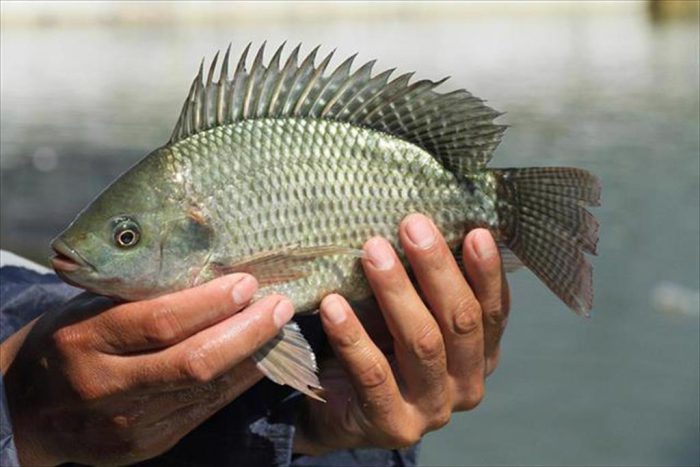
More than just a shift in farming methodology, the brackish-water narrative is a masterclass in strategic differentiation. By maintaining uncompromising control over the cultivation environment and raw material integrity, tilapia could move from a mainstream commodity to an ingredient for higher-end food products that place greater demands on quality, presentation and the overall consumer experience.
The emergence of Vietnamese tilapia in sushi and sashimi dishes is fundamentally rewriting the narrative surrounding the species. Tilapia is no longer simply a white-fleshed fish competing primarily on price; it can become a raw material for convenient, value-added and further-processed products suited to more demanding markets.
However, to secure long-term viability, the industry must avoid a wave of indiscriminate expansion in farming. As experts have warned, the tilapia sector needs an integrated strategy covering seed, feed, farming technology, raw material areas, processing and markets with production ultimately guided by actual market demand.
Brackishwater tilapia could therefore become a notable pathway for building a distinct identity for Vietnamese tilapia It leverages unique environmental advantages to deliver superior meat quality—successfully elevating the fish from a mass-market staple to a coveted ingredient for sashimi and high-margin culinary lines. With effective control across the entire value chain and continued market expansion, this could become one of the foundations for raising the value of Vietnamese tilapia and strengthening its competitiveness in internatioal markets.