(vasep.com.vn) Vietnam has strengthened its position in China’s massive seafood market, becoming the largest lobster supplier while maintaining a dominant share of the country’s imported pangasius.
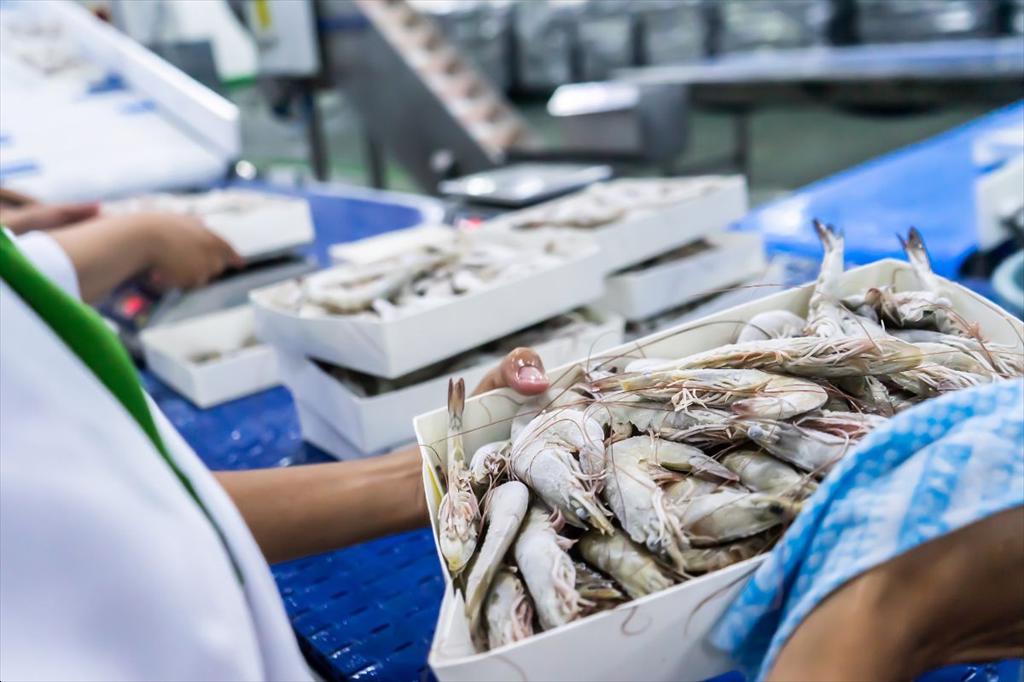
According to statistics from Chinese customs authorities, the country’s seafood imports reached $20.26 billion in 2025. In the first half of 2026, China imported around 2.31 million tons of seafood worth $10.1 billion.
Vietnam became China’s third-largest seafood supplier, behind Russia and Ecuador.
Notably, lobster was among the fastest-growing categories in China’s seafood import market. Imports of the premium product rose by around 47% in 2025, with Vietnam accounting for approximately 36% and becoming China’s largest supplier.
China spent $845 million on lobster imports from Vietnam in 2025, a sharp increase from $363.5 million in 2024, according to the Vietnam Association of Seafood Exporters and Producers (VASEP).
In the first five months of 2026, Vietnam’s lobster exports to China continued to surge, rising 44.3% year on year to more than $506 million.
Beyond lobster, Vietnamese pangasius also holds an overwhelming position in China’s imported pangasius market. Customs data show that Vietnam earned $691 million from pangasius exports to China in 2025 and another $357 million in the first seven months of this year.
According to Le Hang, deputy secretary general of VASEP, competitive pricing and suitability for the mass-market dining segment have helped pangasius penetrate deeply into China’s restaurant industry, food-service sector and mainstream consumer market.
China’s pangasius import volumes increased continuously between 2016 and 2022 before easing from their peak. Even so, the sheer size of the world’s most populous market remains substantial, indicating that underlying demand for pangasius is still strong.
China is currently Vietnam’s largest seafood export market. In the first seven months of this year, Vietnamese seafood exports to China reached nearly $1.65 billion, up a sharp 37.1% from the same period last year and accounting for around 24.1% of Vietnam’s total seafood export value.
Hang said the Chinese market still offers considerable room for growth over the medium and long term as consumers increasingly favor diets that are high in protein and low in fat.
At the same time, household seafood consumption stands at only around 21 grams per person per day, significantly below the recommended level of approximately 50 grams.
Meanwhile, China’s aquaculture capacity is approaching its limits. Imports will therefore remain an essential channel for supplementing domestic supply.
Price, however, is no longer the only consideration. Consumers are paying increasing attention to freshness, origin, traceability, consistent quality, sustainability and certification.
Demand for premium seafood is also growing among middle- and high-income consumers. Younger Chinese consumers are reluctant to spend much time preparing food and tend to avoid fishy smells and bones, making cleaned, portioned, marinated, ready-to-cook and ready-to-eat products increasingly attractive.
For Vietnamese businesses, therefore, the opportunity is no longer simply about selling more seafood, but about offering the right products in the right regions through the right channels.
Hang said live and fresh seafood has an advantage in southern China, while frozen and convenience products are better suited to northern and inland markets. Processed and ready-to-eat products, meanwhile, have considerable potential among younger consumers and restaurant chains.
The VASEP deputy secretary general emphasized that Vietnamese pangasius continues to enjoy an advantage in the mass-market segment thanks to its competitive price, while lobster and certain other live seafood products have opportunities in the premium segment.
Source: vietnamnet