(seafood.vasep.com.vn) Market fluctuations, rising production costs, and increasingly stringent requirements from export markets are placing growing pressure on the shrimp industry. In response, Vinh Long Province is promoting high-tech shrimp farming integrated with production–consumption value chains to improve efficiency, reduce risks, and enhance the industry's value.
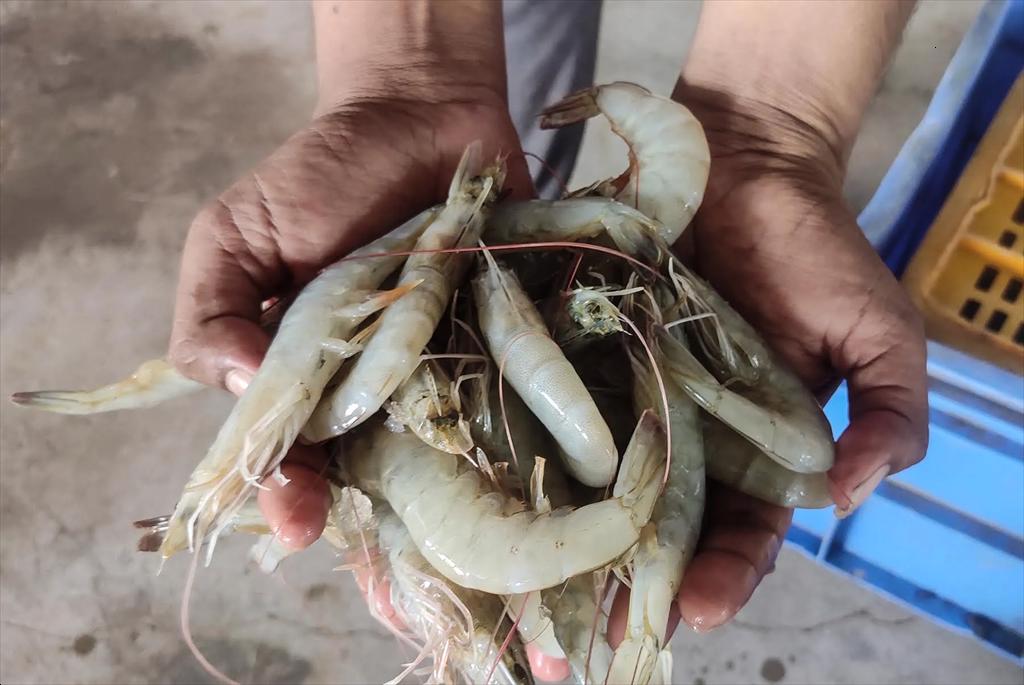
Instead of relying solely on traditional farming experience, many shrimp farming areas have stepped up the adoption of advanced technologies to control seed quality, manage water conditions, and detect diseases at an early stage. At the Long Khanh Agricultural Cooperative in Long Thanh Commune, Vinh Long Province, farmers have invested in aquatic animal disease testing systems and collaborated with businesses to ensure the quality of shrimp seed before stocking. This proactive disease screening helps minimize production losses while establishing safe farming zones that meet processing and export requirements.
In the first half of 2026, Vinh Long recorded nearly 63,777 hectares of aquaculture involving 44,875 farming households, with total output reaching 296,470 metric tons, up 4.86% year on year. Of this, high-tech shrimp farming covered 6,325 hectares, producing approximately 61,000 metric tons.
Alongside technological adoption, strengthening linkages among farmers, cooperatives, and enterprises is regarded as a key solution for securing stable market outlets. Through these partnerships, farmers gain better access to quality seed, production inputs, technical support, and marketing contracts, reducing their dependence on intermediaries.
By the end of 2026, Vinh Long aims to expand high-tech shrimp farming to approximately 8,175 hectares. The province also plans to upgrade farming infrastructure, expand internationally certified production models, and strengthen the management capacity of cooperatives. The integration of advanced technology with value chain linkages is expected to improve productivity, strengthen quality control, and support the sustainable development of the local shrimp industry amid intensifying global competition.