(seafood.vasep.com) Facing the decline in fishery resources, Vietnam is accelerating livelihood transitions for fishermen to reduce fishing pressure and move toward sustainable development. Marine fish stocks have dropped significantly from 4.82 million tons in 2000–2005 to 3.95 million tons in 2016–2020.
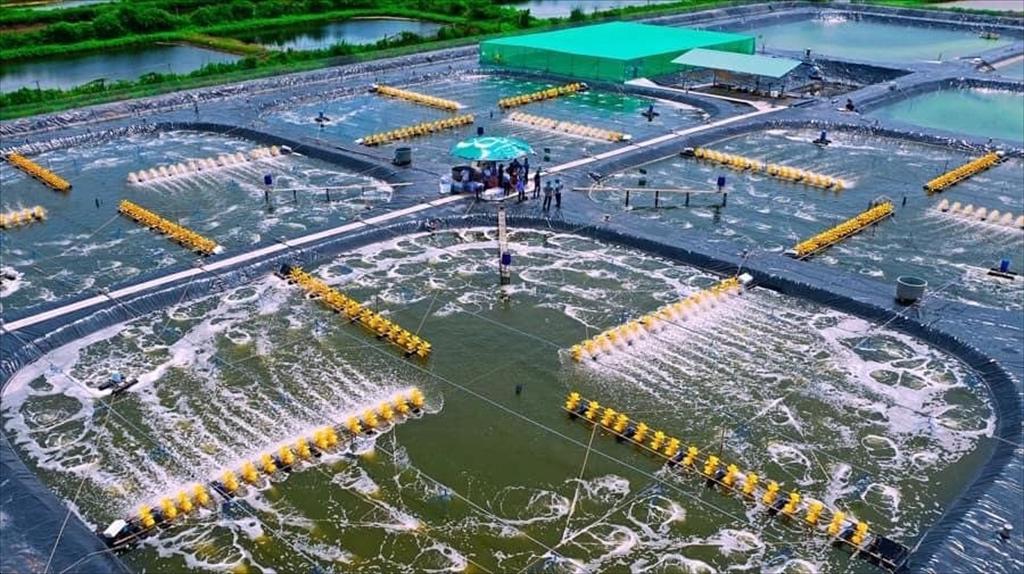
According to the sector’s master plan, during the 2021–2030 period, about 6,000 fishing vessels will be converted to other sectors such as aquaculture, fisheries logistics, tourism, and alternative livelihoods. The government is also taking strong actions with the dual goal of promoting sustainability and addressing the EU’s “yellow card” warning on IUU fishing.
Many localities have proactively implemented these policies. In Dak Lak, transition projects focus on reducing nearshore fishing and promoting environmentally friendly occupations. An Giang has also introduced support policies for fishermen, combining vocational training with preferential credit programs.
These transition programs are opening up new opportunities such as marine aquaculture, eco-tourism, service industries, and industrial employment. However, this is a long-term process that requires synchronized policies and a shift in production mindset to ensure sustainable effectiveness.