(seafood.vasep.com.vn) 2025 marks another leap for Ecuador on the global tuna trade map: production and export values surged, processing plants expanded into China and Europe, while the Ecuadorian government has intensified fisheries management measures. This trajectory poses both present not only heightened competitive risks but also strategic challenges for Vietnam’s tuna industry.
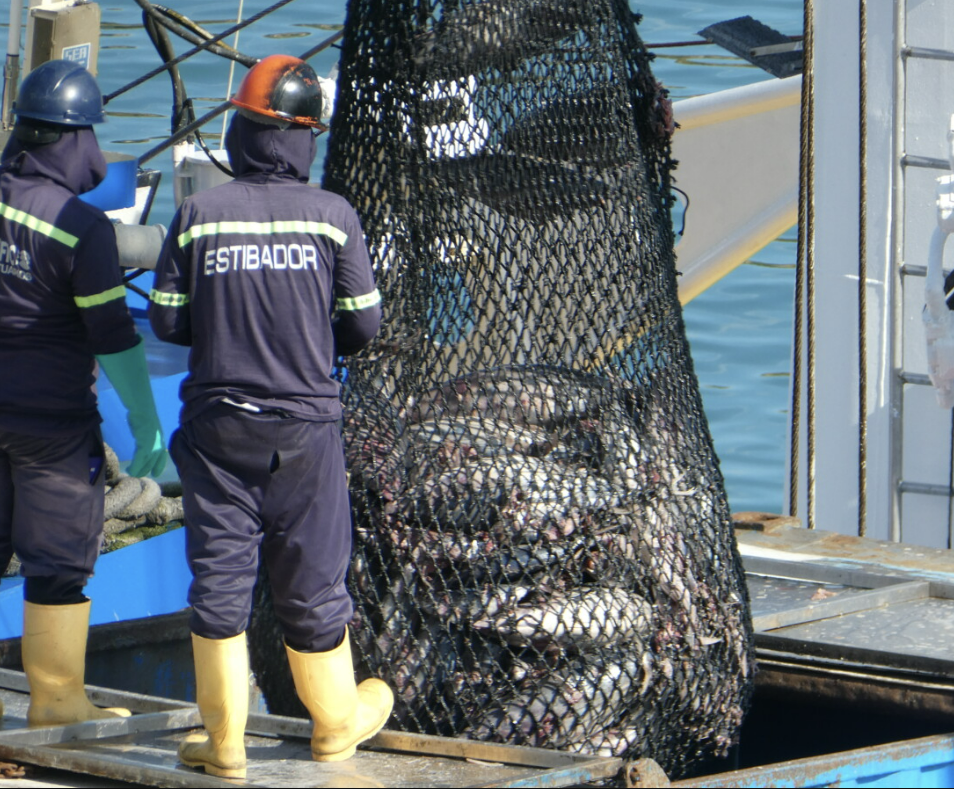
Ecuador’s tuna exports Surge
Ecuador continues to capitalize on abundant marine resources in the Eastern Pacific Ocean following favorable fishing years with standout export growth in canned tuna and frozen tuna loins.
According to data from International Trade Centre (ITC), Ecuador’s tuna exports in the first seven months of 2025 exceeded $1 billion, up 18% year-on-year. The majority of Ecuador’s tuna products are exported to the EU market, while expanding into China supported by recent trade agreements.
Although China is aggressively increasing exports of competitively priced frozen cooked tuna loins, pressuring Ecuador’s traditional share in certain European markets - Ecuador is still increasing volumes to preserve market share and explore new destinations.
The Ecuadorian government and processing industry are also implementing several sustainability and management initiatives - from vessel monitoring, enhanced data exchange for oversight to adopting technologies (such as ecoFADs and improved traceability) - to reduce IUU fishing risks (illegal, unreported and unregulated fishing) and enhance export credibility. These measures are helping Ecuador gain better access to high-standard markets like the EU.
Challenges for Vietnam
Ecuador’s accelerated exports create direct competitive pressure on Vietnam in European and Asian markets, especially in canned tuna and frozen tuna loins - segments where both countries are strongly engaged. Ecuador is leveraging its Eastern Pacific Ocean (EPO) fishing grounds and competitive processing costs to capture more market share, while China remains a low-cost supplier continuing to reshape the global price balance.
The increased supply of tuna products from Ecuador may drive down global raw skipjack and yellowfin prices, creating volatility in input costs for tuna processing worldwide.
Additionally, as Ecuador continues to deepen exports into the EU (currently its largest market), Vietnamese businesses may lose competitive edge if they fail to improve traceability and sustainability standards.
In terms of pricing, China’s lower-cost products in segments like frozen steamed loins have already disrupted supply chains in the European bloc. Therefore, Vietnamese enterprises need strategies to avoid competing solely on price.
Opportunities and Recommendations for Vietnam’s Tuna Industry
Amid rising competition, Vietnamese enterprises can strengthen traceability and sustainability certifications - which the EU and major retail chains prioritize for clearly traceable sourcing. VInvestments in monitoring systems, transparent supply chains and certifications like MSC will be essential.
At the same time, Vietnam should enhance product value, specifically by developing premium processed products (such as standardized loins, convenient packaged tuna, products for private labels) to avoid pure price competition.
Furthermore, diversify export markets is equally crucial. Alongside the EU, deeper penetration into Asian markets (China, ASEAN, Japan and South Korea) and trade negotiations to reduce barriers are needed, learning from Ecuador’s successful expansion into China.
Enterprises must monitor competitors’ pricing and supply strategies. As China and Ecuador may adjust sales tactics (selling low-priced loins to gain share), Vietnamese firms need to optimize production costs, improve customer service quality and build sustainable branding.
Ecuador has and continues to consolidate its position as a “tuna powerhouse” in 2025 through increased export volumes, market expansion and improved fisheries management - a trend that is both an opportunity (supply chain expansion, collaboration) and significant challenges for Vietnam in market and price competition. Effective response requires Vietnam to rapidly upgrade sustainability standards, diversify products and markets and strengthen seafood resource management capacity to ensure long-term competitive positioning.