(seafood.vasep.com.vn) After the first nine months of 2025, Vietnam’s tuna exports generated $705 million, down 3% compared to the same period in 2024. Although the slight decline in export value, the market and product structures reveal positive transformation signals, moving toward higher value and expansion into new markets.
Mixed signals from major markets
The U.S remains the leading market, accounting for 37% of total export value with $261 million but declined 5% year-on-year. In September alone, exports fell 17% compared to same month in 2024. The primary reason is U.S. importers front-loading purchases in early 2025 to avoid new retaliatory tariffs, resulting in high inventory levels and intensifying price competition.
In contrast, the EU maintained growth momentum, reaching $160 million (+3%). Some member states showed notable growth: Italy (+19%) and the Netherlands (+37%), while Germany dropped 24%. This indicates Vietnamese firms are gradually adapting to the EU’s sustainability standards and traceability standards.
The CPTPP recorded $96 million (+9%), driven by Japan (+15%) and Canada (+17%), reflecting the positive impact of tariff preferences within the agreement. However, Mexico and Chile saw slight declines.
Notably, Thailand - a major seafood processing hub - increased Vietnamese tuna imports by 83% to $28 million, underscoring Vietnam’s growing role in the regional supply chain for steamed tuna loins used in canned tuna production. Meanwhile, Egypt surged 146%, signaling emerging opportunities in the Middle East and Africa region.
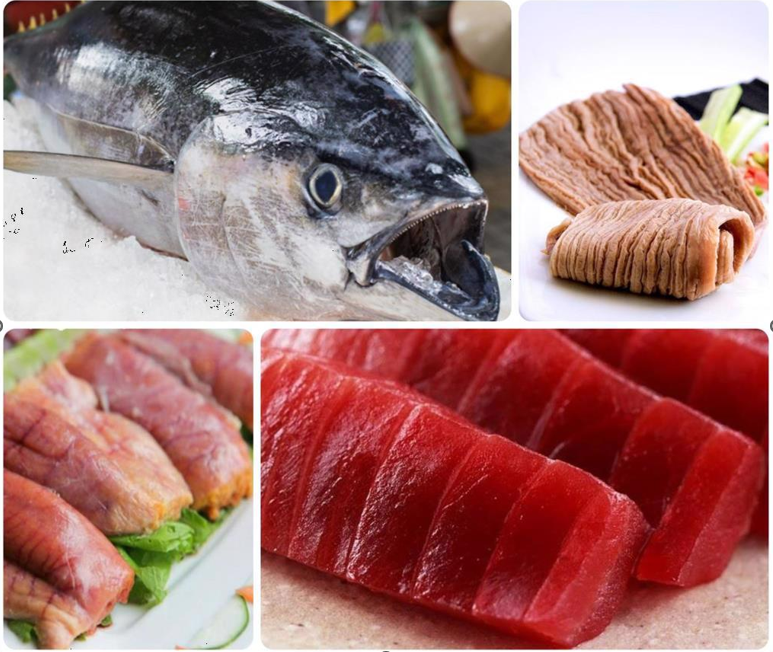
Rising export product value
By product structure, fresh and frozen tuna (HS03) reached $383 million, representing 54% of total value, nearly unchanged from a year earlier. Within this, HS0304 - the flagship category - edged up 2%.
Conversely, processed and canned tuna (HS16) totaled $322 million, down 6%. Notably, canned tuna - accounting for nearly two-thirds of this segments - fell 9%, due to lower domestic raw material availability, increased imports, rising input prices and logistics costs, while selling prices failed to keep pace.
This growth pattern reflects a structural shift: firms are focusing more on high-value-added products such as loins, steak cuts and similar items.
Outlook
Globally, 2025 U.S and European tuna import demand is stabilizing but competition is intensifying. Importers prioritize MSC-certified, IUU-compliant and fully traceability standards. Meanwhile, Japan is increasing imports of frozen tuna for sashimi and premium products, creating opportunities for Vietnamese processors to upgrade processing lines.
Given the slight slowdown in Q3, Vietnam’s 2025 tuna exports are projected at $930 - 950 million, a modest decline from 2024. To sustain growth, enterprises must diversify market - expanding into the Middle East and Africa - while accelerating high-value and certified sustainable products to mitigate trade barrier risks and pricing pressures.