(seafood.vasep.com.vn) In Hoa Vang district (Da Nang City), red tilapia farming is demonstrating clear economic efficiency, becoming a promising livelihood that helps many households increase their income. A notable example is the model of Mr. Huynh Ngoc Nam, who operates two red tilapia ponds covering more than 4 hectares, generating stable annual income.
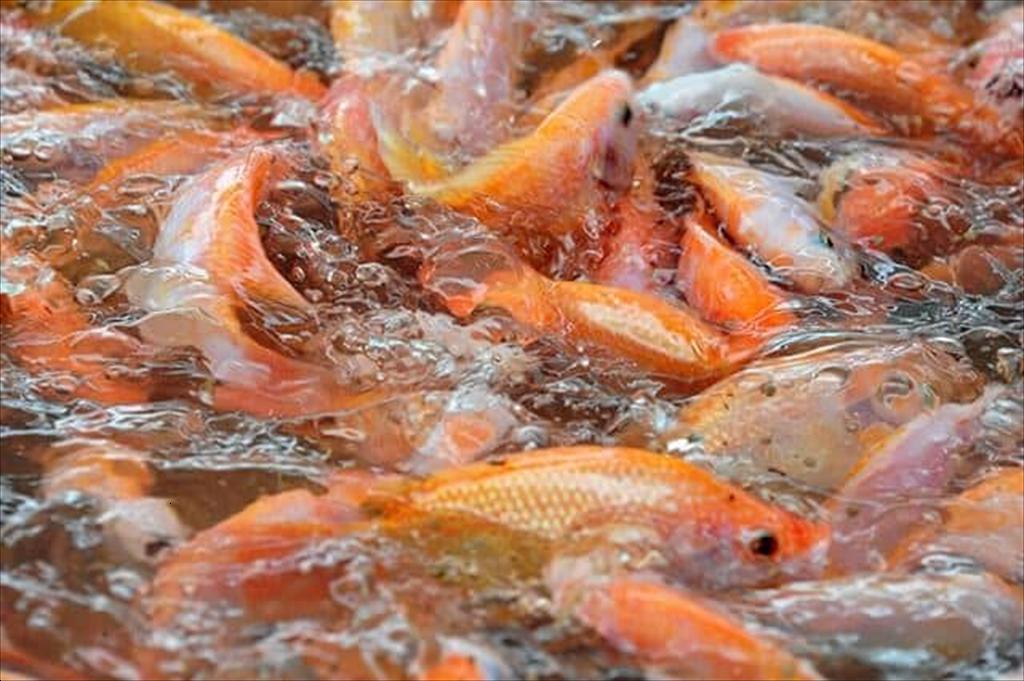
Red tilapia is considered well-suited to local conditions due to its strong adaptability, ease of farming, and low disease incidence. The farming cycle is relatively short—only about 5–6 months to harvest—allowing farmers to quickly recover capital and reduce risks.
In practice, success depends largely on proper investment in pond systems, effective water quality management, and the application of appropriate farming techniques. Red tilapia requires stable, oxygen-rich water conditions, along with careful feed management to minimize pollution. In addition, selecting healthy and uniform fingerlings helps improve survival rates and productivity.
A major advantage is the relatively stable market demand. The fish are often purchased directly by traders and restaurants, enabling farmers to secure stable outlets and maintain reasonable prices. As a result, many households can earn profits of hundreds of millions of VND per year, gradually shifting from small-scale to commercial production.
Beyond economic benefits, red tilapia farming also helps make efficient use of available water surface areas and local resources. Local authorities view this as a suitable development direction that can be expanded in the future, especially with support in financing and technical transfer.
Amid rising demand for seafood, red tilapia continues to be seen as a key aquaculture species, contributing to sustainable rural economic development.