(seafood.vasep.com.vn) As geopolitical tensions in the Middle East continue to escalate, the global food market is facing increasing volatility in logistics costs, energy prices, and supply chains. In the seafood sector, alongside ocean-caught products such as tuna, the surimi-based product group—including fish cakes, crab sticks, fish balls, and other imitation seafood products—has also been affected to some extent by these developments.
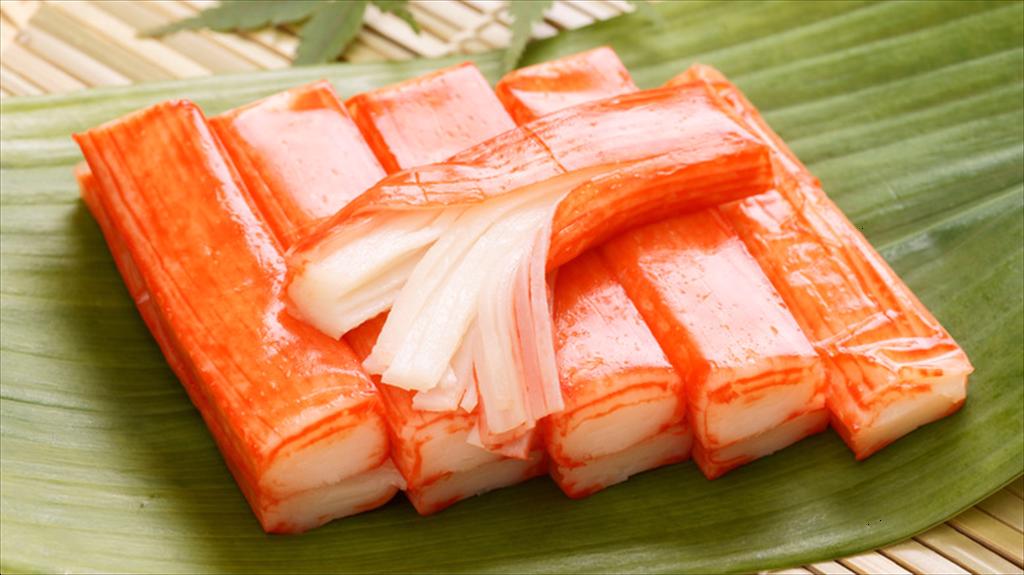
However, unlike many fresh seafood products that depend heavily on cold chains and rapid transportation, surimi products benefit from longer shelf life, reasonable costs, and convenience, enabling this segment to maintain stable growth over the past several years.
Surimi – A Processed Food Segment with Stable Growth
According to seafood market reports from FAO Globefish and various food industry research organizations, global surimi production currently ranges between 850,000 and 1 million tons per year. The main production centers are located in the Asia–Pacific region.
Raw materials for the surimi industry mainly come from two groups of fish:
- Cold-water fish, especially Alaska pollock, harvested in the North Pacific
- Tropical marine fish, such as threadfin bream, lizardfish, bigeye, and other white-meat fish species
The United States and Russia currently supply the majority of Alaska pollock–based surimi to the global market, while Southeast Asian countries play a crucial role in producing surimi from tropical marine fish.
Japan is considered the pioneer of the modern surimi industry, but in recent decades the global production center has shifted significantly toward Southeast Asia.
Southeast Asia – The World’s Surimi Production Hub
Within the current global surimi supply chain, countries such as Thailand, Vietnam, China, and India are playing increasingly important roles. Thailand has long been a major surimi processing hub in the region, thanks to its developed seafood processing industry and favorable logistics system.
Meanwhile, Vietnam is emerging as a notable surimi supplier, particularly for frozen fish cake products exported to Asian markets. According to data from Vietnam Customs, Vietnam’s exports of fish cakes and surimi in January 2026 reached approximately USD 32 million, up 20% compared to the same period in 2025.
In terms of market structure, South Korea remained the largest importer, with export value reaching about USD 8.4 million, accounting for over 26% of total exports of this product group. Thailand ranked second with around USD 7.3 million, representing nearly 23%.
Notably, exports to China reached nearly USD 5 million, increasing by more than 100% year-on-year, reflecting rising demand for surimi products in this market.
Other markets such as Japan, Malaysia, and Taiwan also recorded positive growth. In particular, exports to Taiwan increased more than fivefold compared with the same period last year, indicating expanding surimi consumption in the East Asian region.
At the regional level, ASEAN currently accounts for more than 32% of Vietnam’s total fish cake and surimi export value, while the CPTPP bloc accounts for nearly 19%, highlighting the role of free trade agreements in promoting exports of this product group.
Impact of Middle East Conflict on the Surimi Market
Tensions in the Middle East may affect the surimi industry in several ways, primarily through rising logistics and energy costs. The region lies along major maritime routes connecting Asia with Europe and Africa. As maritime security risks increase, shipping insurance and container freight rates often rise accordingly.
If shipping routes through the Middle East are disrupted or forced to reroute, transportation time for goods from Asia to Europe may be extended, leading to higher logistics costs for frozen seafood products, including surimi.
In addition, geopolitical tensions often trigger oil price fluctuations, increasing fuel costs for both seafood harvesting and maritime transport. This could raise production costs for surimi, particularly for factories relying on offshore-caught fish supplies.
Increasing International Competition in the Surimi Industry
The global surimi market is witnessing intensifying competition among producers. Thailand and China are investing heavily in processing technologies and diversifying surimi products to meet demand in the processed food market.
Meanwhile, the United States continues to play an important role thanks to its supply of surimi made from Alaska pollock, a raw material widely recognized for its high quality.
At the same time, the global food industry is seeing the emergence of plant-based seafood alternatives. However, in the short term, traditional surimi products still maintain advantages in price and established consumption habits, especially in many Asian markets.
Outlook for the Fish Cake – Surimi Market
As global demand for processed and convenient foods continues to grow, the fish cake and surimi market is expected to maintain steady growth in the coming years.
For Vietnam, with advantages in tropical marine fish resources and processing capacity, the fish cake and surimi sector is considered one of the segments with strong growth potential.
If businesses effectively leverage free trade agreements and expand export markets, surimi products could continue to make a significant contribution to Vietnam’s seafood export value in the coming years.