(seafood.vasep.com.vn) Pangasius remains a strategic export commodity in Vietnam’s seafood sector. Entering 2026, the industry faces a strong need to transition from volume-based growth to a value-driven development model, with a focus on quality, food safety, and sustainability.
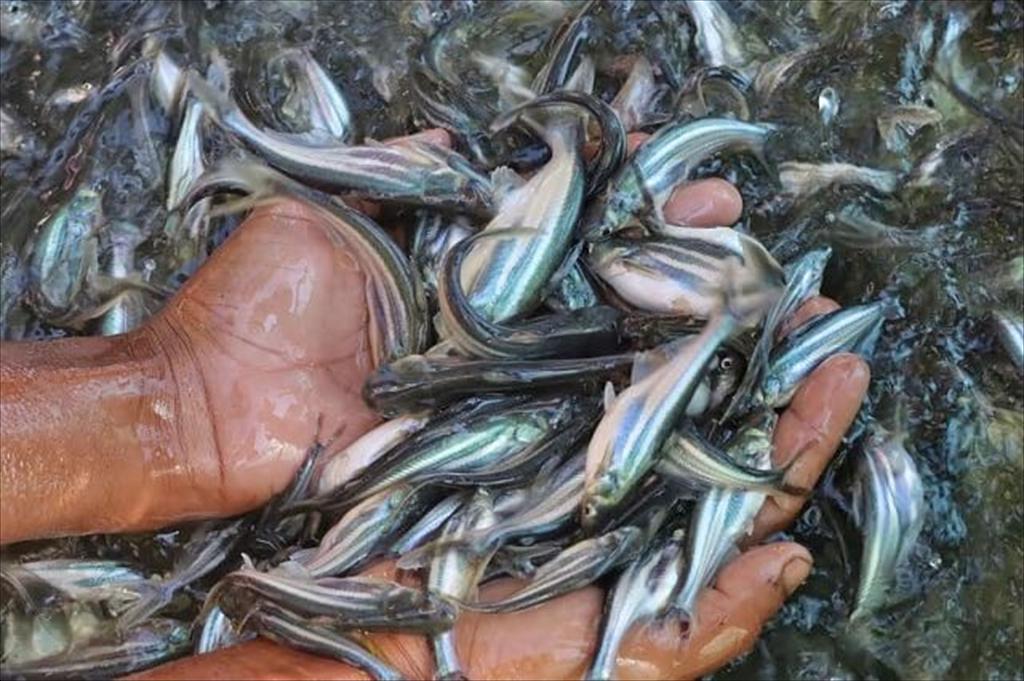
In the Mekong Delta, pangasius farming area remains stable at over 6,000 hectares, concentrated in Đồng Tháp, An Giang, Cần Thơ, and Vĩnh Long. In 2025, output reached approximately 1.67 million tons, with export turnover exceeding USD 2.2 billion, up 8% year-on-year. Notably, deeply processed, high value-added products—especially in the U.S. market—saw remarkable growth.
China remains the largest market, accounting for 27% of total market share. Exports to CPTPP member countries increased by 17%, reaching USD 340 million, while shipments to Russia and the Eurasian region surged by 35%.
However, the industry continues to face multiple challenges, including climate change, saltwater intrusion, inconsistent seed quality, and rising production costs, now at USD 1.2–1.3 per kilogram. Additionally, a 20% tariff in the U.S. market, along with competition from Bangladesh, Indonesia, and China, puts further pressure on the sector.
According to Deputy Minister Phùng Đức Tiến, sustainable development requires comprehensive restructuring of the pangasius industry, with improvements in quality, emission reductions, and compliance with international standards, thereby strengthening its position in the global market.