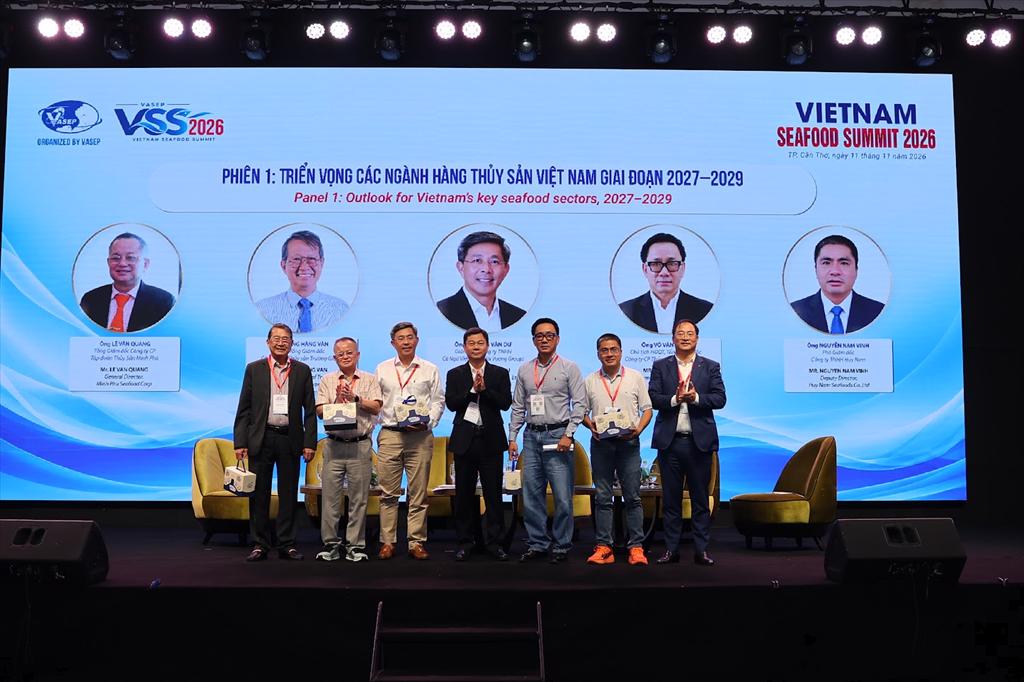
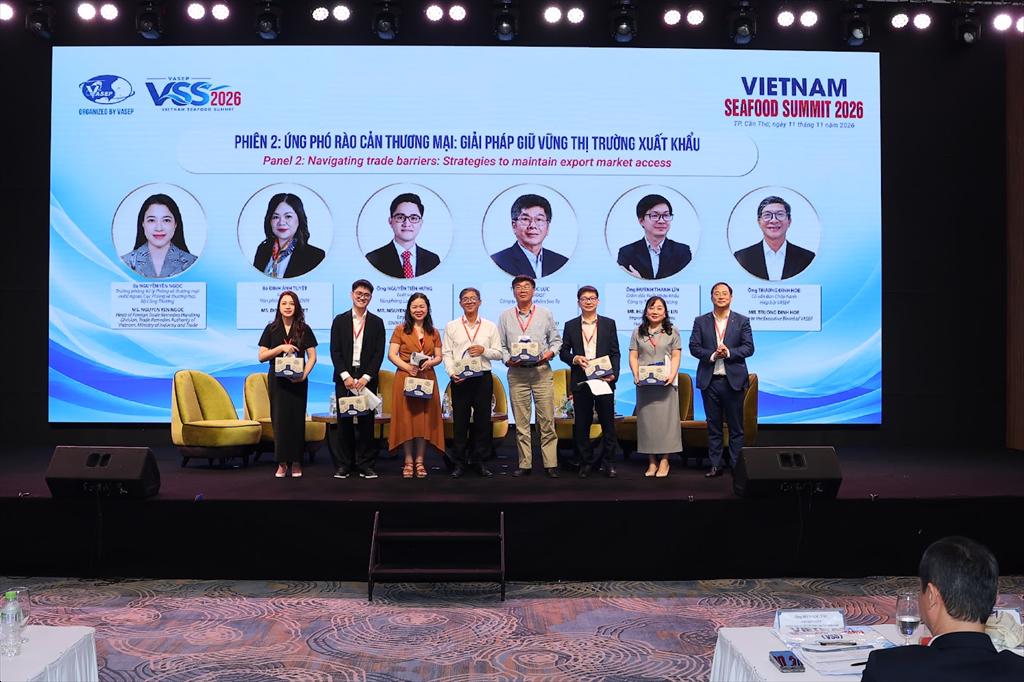
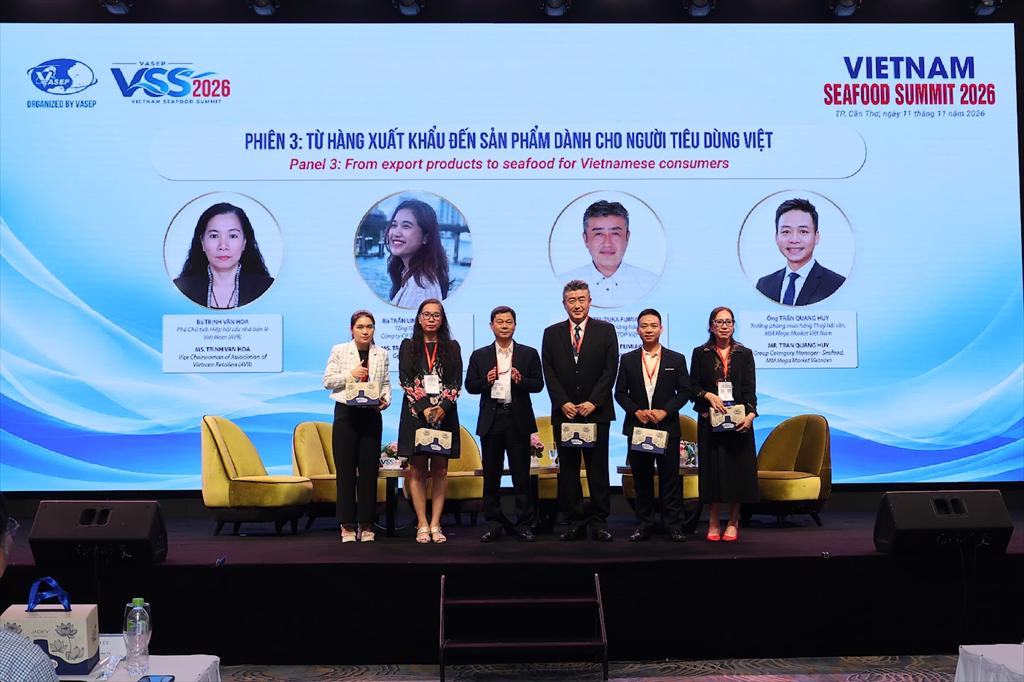
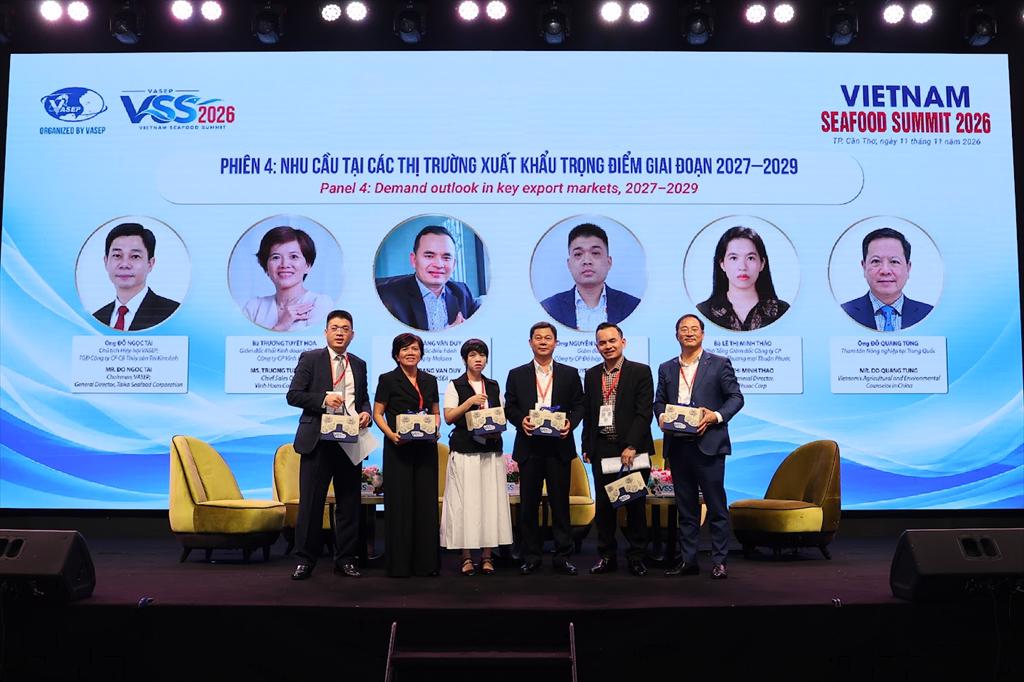
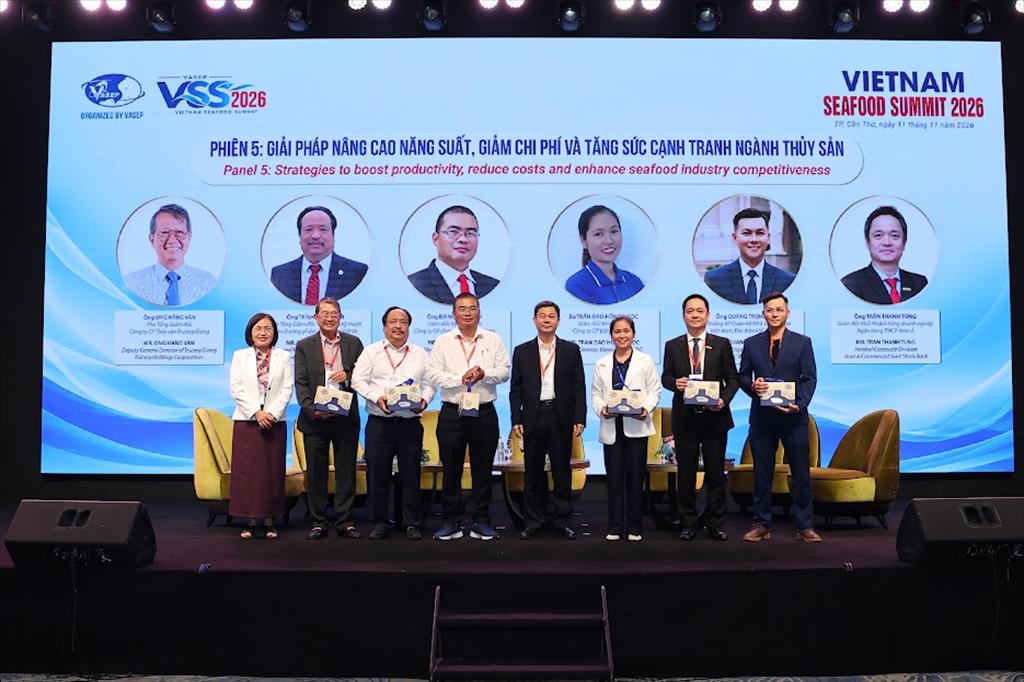
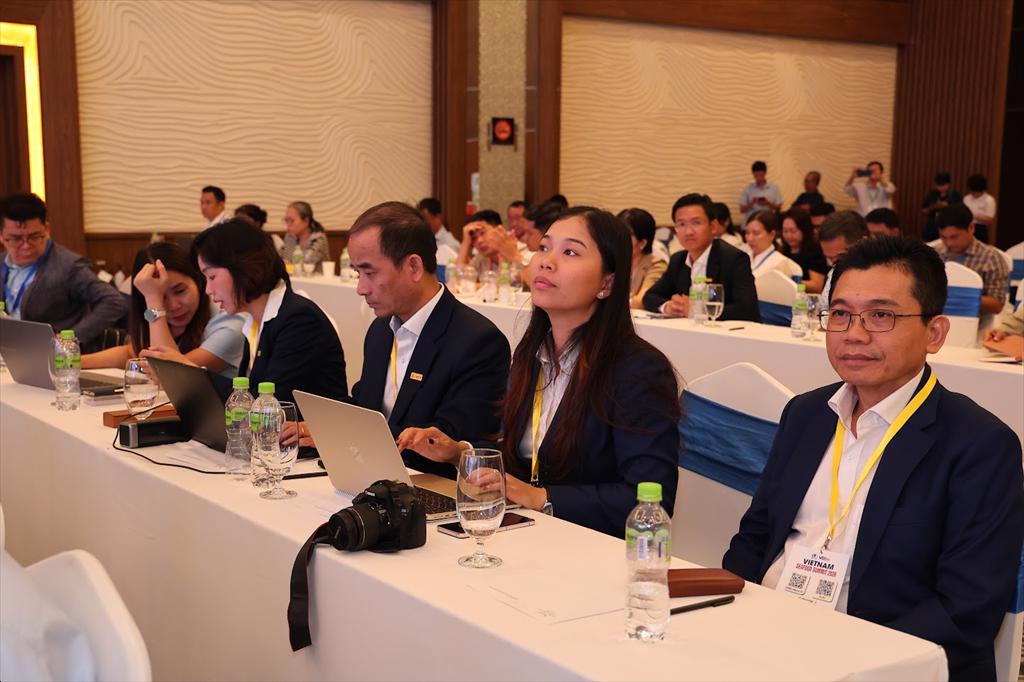
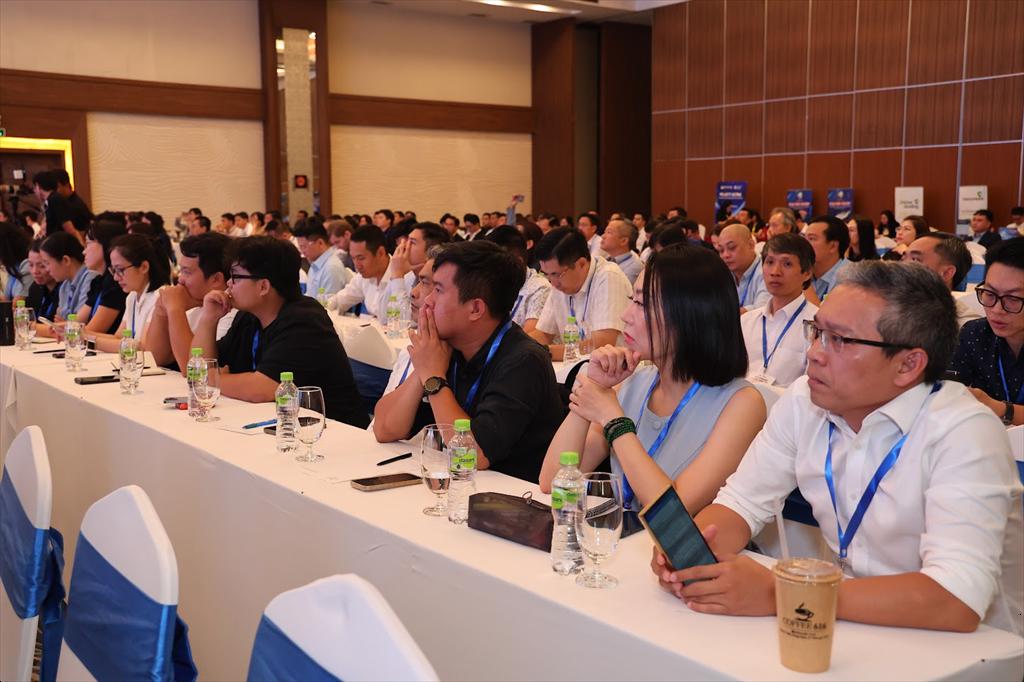
(seafood.vasep.com.vn) On November 11, 2026, in Can Tho City, the Vietnam Association of Seafood Exporters and Producers (VASEP) held the Vietnam Seafood Summit 2026 (VSS 2026). The summit brought together more than 300 delegates, including business leaders, government regulators, experts and partners from across the seafood value chain. Over five in-depth panel sessions, participants looked at opportunities and challenges and discussed practical ways to sustain growth and make Vietnam’s seafood industry more competitive in 2027–2029.
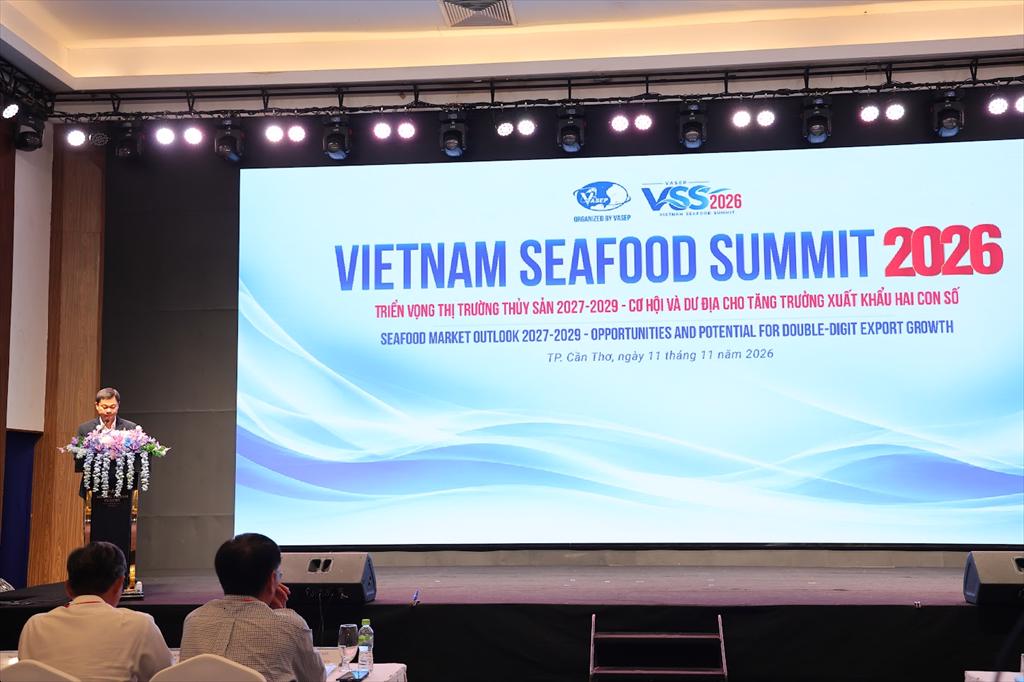
A forum connecting every link in the seafood value chain
Global trade remains volatile, competition is getting tougher and market access requirements keep changing. Against this backdrop, Vietnam’s seafood industry needs to change the way it grows.
Raising export revenue is only one goal. Businesses also have to cut production costs, secure raw materials, add more value, manage trade risks and keep up with increasingly diverse consumer demand.
In response to these needs, VASEP organized Vietnam Seafood Summit 2026 as a forum for dialogue. It connected seafood processors and exporters with regulators, experts, suppliers, distributors, certification bodies and financial partners.
More than 300 delegates attended, and many of them shared views, experience and proposals drawn from their own business operations.
A key feature of the summit was its whole-value-chain approach, covering raw material production, processing, export, distribution, consumption and finance. The sessions discussed market outlooks, and they also dug into the issues that directly affect the performance and growth of seafood businesses.
Five sessions, five perspectives on the future of the seafood industry
The summit opened with a session on the outlook and development direction of Vietnam’s seafood industry for 2027–2029. It focused on the key sectors: shrimp, pangasius, tuna and wild-caught seafood.
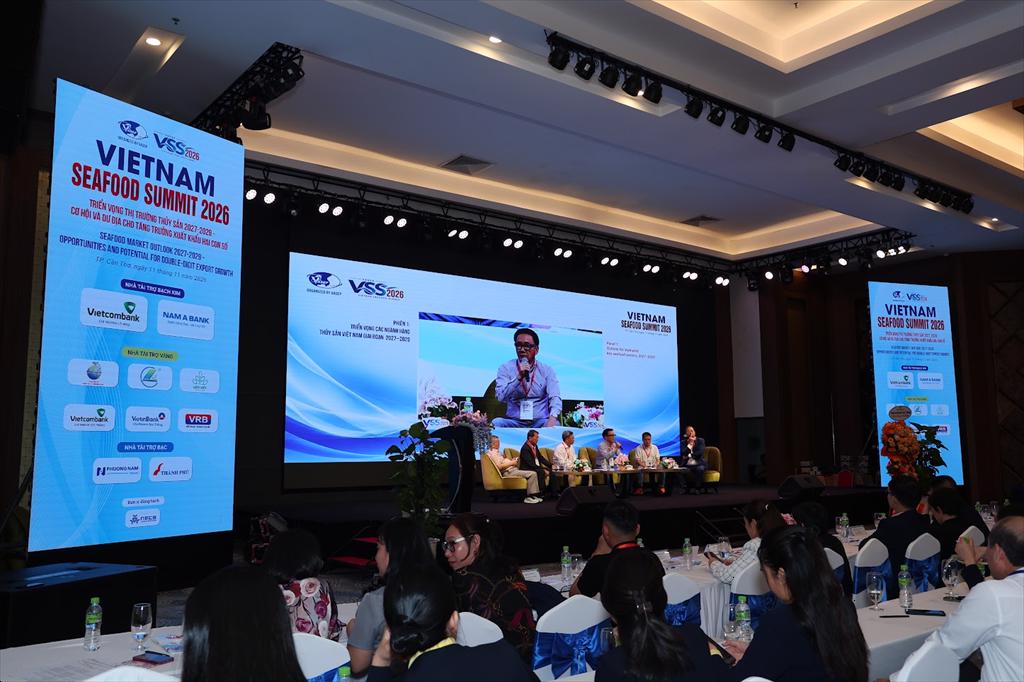
Businesses agreed that the market still offers room for growth, but competitive advantages are shifting. Shrimp faces cost pressure from Ecuador and India, so producers need to choose the right market segments, raise productivity and develop value-added products. For pangasius, the key directions are organizing farming areas around market demand and diversifying products. Wild-caught seafood businesses were most concerned with legal sourcing of raw materials, traceability and keeping supply stable.
The second session covered trade barriers and how businesses can respond. The topic drew strong interest because trade remedies and requirements on origin, labor and traceability are becoming more complex.
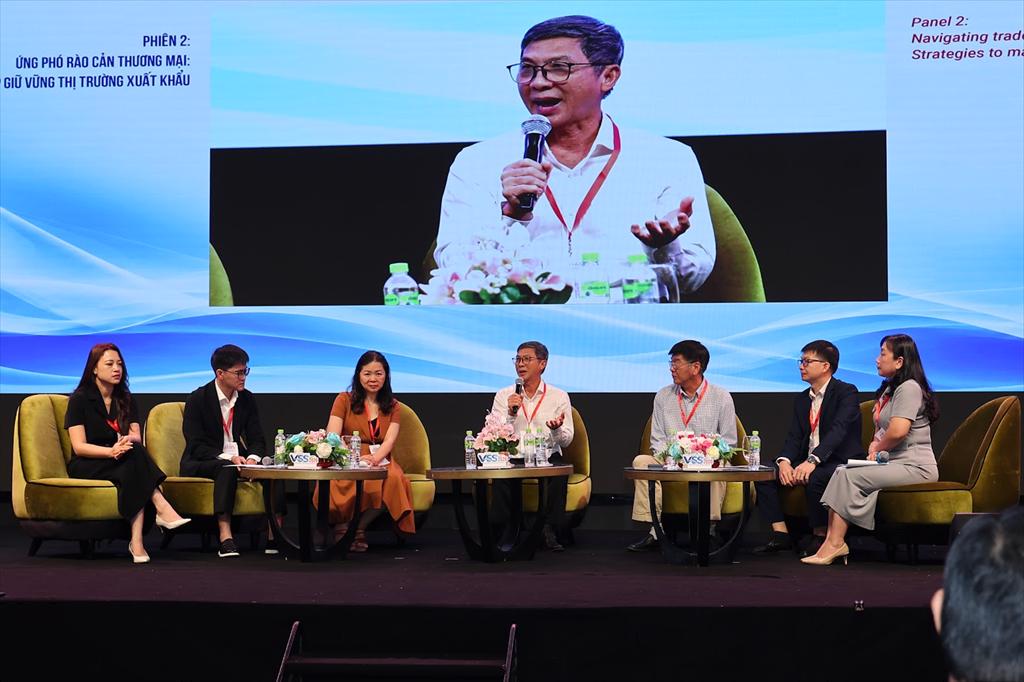
Regulators, lawyers and businesses shared hands-on experience with anti-dumping and countervailing duty investigations and with new trade risks, especially in the U.S. market.
One key message was that businesses need to stop waiting for cases to arise before reacting. Instead, they should manage risk proactively, standardize their data and build legal strategies into their everyday operations.
The domestic market was a highlight of the third session. Vietnamese seafood companies have large processing and export capacity, but they still have plenty of room to develop products for consumers at home.
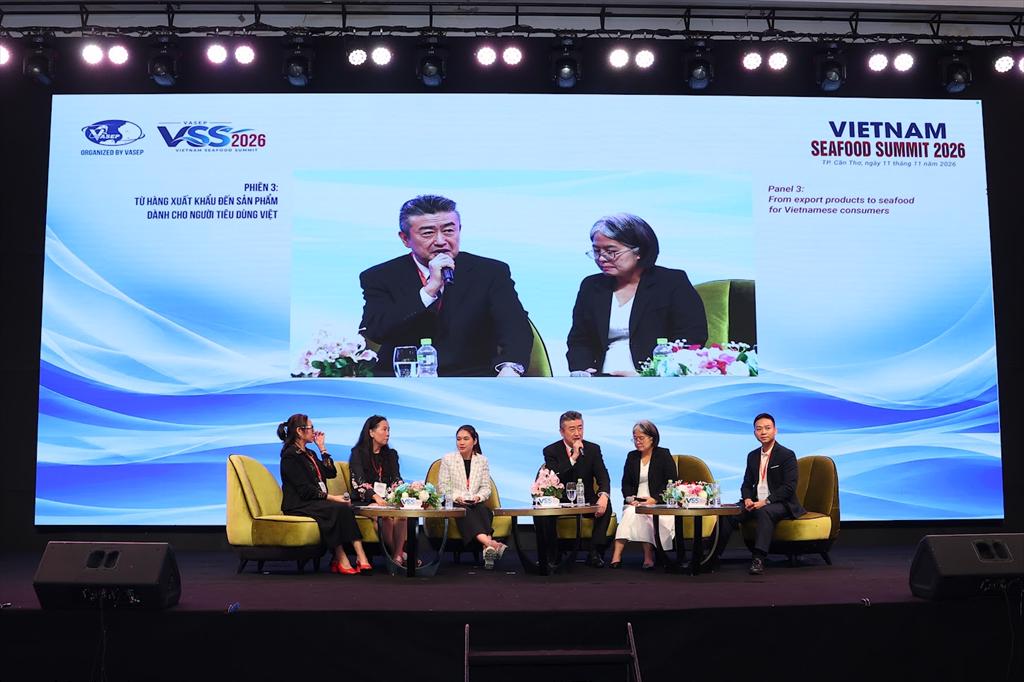
Retailers and processors pointed to practical challenges such as cold-chain logistics costs, packaging formats, retail prices and reliable supply. At the same time, demand for ready-to-eat foods, convenience products, smaller portions and healthy foods is creating new opportunities.
The discussions showed that growing the domestic market takes more than redirecting export products to local shelves. It requires product and distribution strategies built around what Vietnamese consumers want.
The fourth session asked, “Global Seafood Market Trends: What Do Buyers Need in 2027–2029?” Speakers offered perspectives from FAO, from the Chinese market and from companies directly involved in international trade.
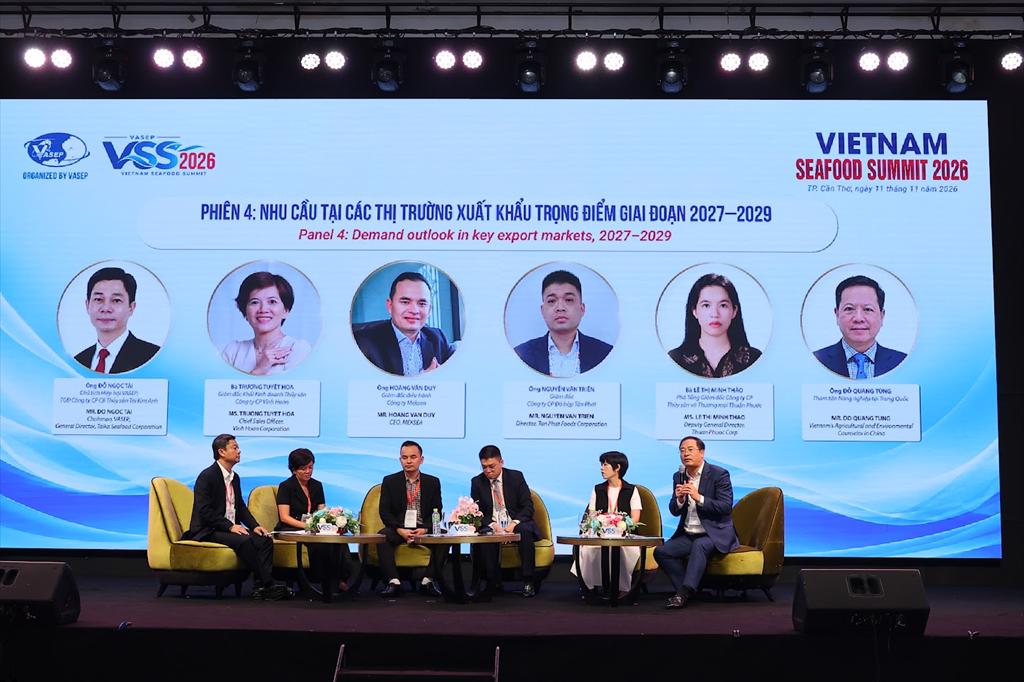
Global seafood demand is still expected to grow. However, buyers are paying more attention to reasonable prices, consistent quality, food safety, traceability and reliable delivery.
In particular, the trends toward convenience foods, further processing, small packs and co-developing products with customers are placing new demands on Vietnamese suppliers.
The key message was that businesses need to stop selling what they happen to have and start developing what the market actually needs, while building long-term partnerships with buyers.
The fifth and final session looked at ways to raise productivity, cut costs and keep seafood exports growing at double digits.
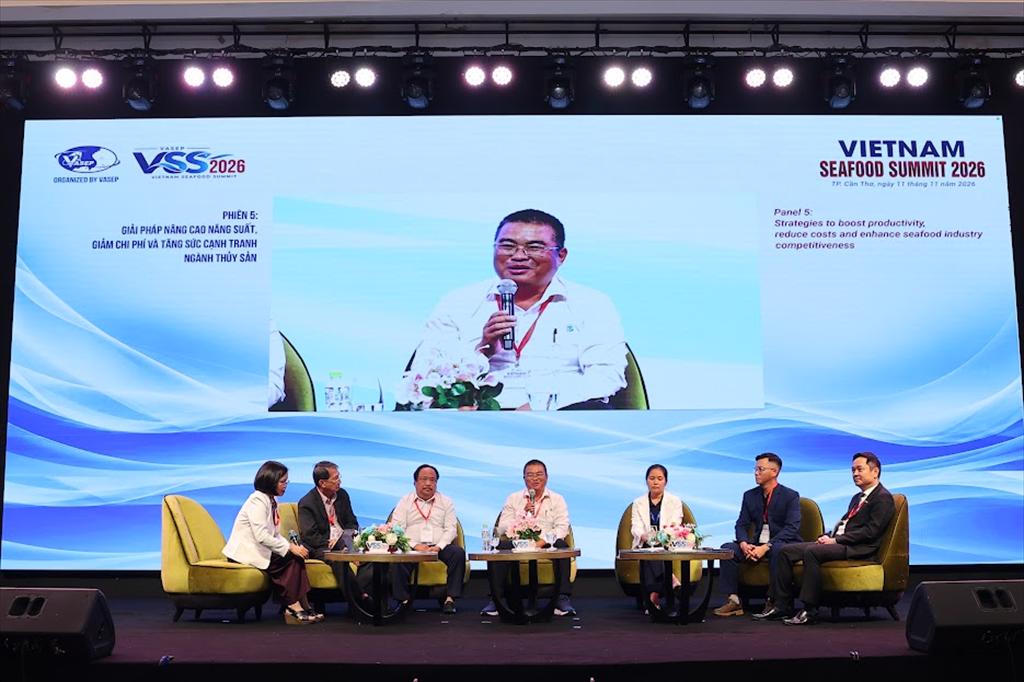
Starting from specific problems in the shrimp and pangasius chains, speakers proposed a range of solutions. These included raising farming success rates, improving seed quality, managing feed and the farming environment more effectively, digitalizing raw material areas, getting more value from by-products and making sustainability certifications easier to obtain.
Value-chain financing models were also discussed as a way to help businesses, farmers and partners work more closely together, share risks and use capital more efficiently.
Innovation, diversification and value-chain linkage to strengthen competitiveness
One common thread ran through all five sessions. The industry’s room for growth does not lie only in producing more or finding more orders. It also depends on changing how production works, improving efficiency and creating more value from the resources the industry already has.
Innovation means more than investing in machinery and technology. It also covers management, how raw material areas are organized, product development, customer engagement and trade risk control.
Diversification also goes beyond expanding export markets. It should include diversifying products, customer segments, distribution channels and raw material sources, building on each company’s own strengths.
Value-chain linkage was also seen as essential for cutting costs, reducing losses, improving quality and protecting the long-term interests of farmers, processors and other supply chain partners.
Vietnam Seafood Summit 2026 closed after a full day of in-depth content and practical discussion. The issues raised at the summit open the way for further discussion and cooperation between VASEP, businesses and partners in the coming period.
In 2027–2029, competitiveness, innovation and diversification will be key for Vietnam’s seafood industry to seize market opportunities, cope with volatility and achieve efficient, sustainable growth.
For more information about VSS2026, visit: Vietnam Seafood Summit (VSS)
Photos from VSS2026: