(seafood.vasep.com.vn) Vietnamese tilapia is moving into a higher-value segment as brackish-water farmed fish from the Mekong Delta is now being processed for sashimi and exported regularly to Japan.
Since early 2026, Vietnam Clean Seafood Corporation, based in Can Tho City, has been supplying tilapia fillets to the Japanese market for raw consumption, marking a new development for Vietnam’s tilapia industry.
The company has invested in a dedicated farming and processing model, combining brackish-water aquaculture, strict water-quality control, traceability and specialized processing technology to meet the requirements of Japanese buyers.
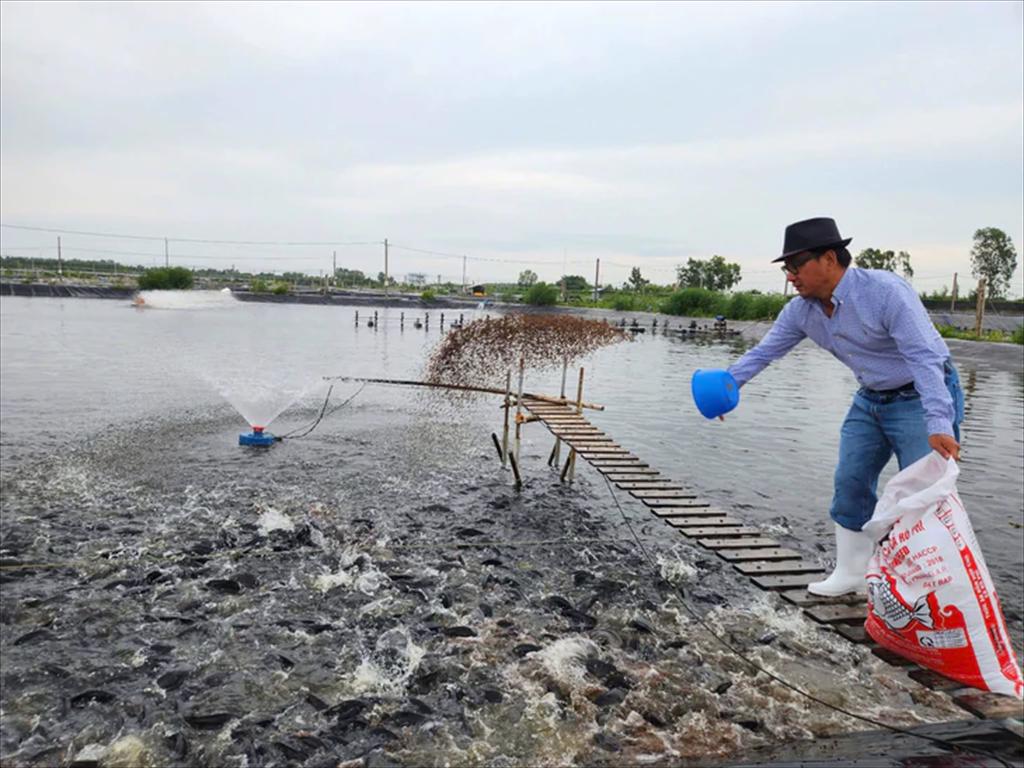 Brackish-water tilapia farming area in Can Tho. Photo: Khac Tam / Tuoi Tre
From conventional whitefish to premium product
Tilapia has traditionally been positioned as an affordable whitefish for mass-market consumption. However, the use of Vietnamese tilapia for sushi and sashimi opens a new value-added direction for the sector.
Vietnam Clean Seafood Corporation currently manages around 300 hectares of aquaculture area, including approximately 40 hectares used for monosex tilapia farming.
Unlike conventional freshwater tilapia production, the company raises fish in brackish-water farming areas traditionally associated with shrimp aquaculture.
This farming model is intended to produce fish with firmer texture and cleaner flavour, while also making use of existing aquaculture infrastructure in coastal areas of the Mekong Delta.
 Vo Van Phuc, Chairman and CEO of Vietnam Clean Seafood Corporation. Photo: Khac Tam / Tuoi Tre
According to the company, Japanese buyers apply strict controls over farming conditions, fish quality and traceability. Samples from individual ponds are tested before harvesting is approved.
After initial trial shipments, Vietnamese tilapia fillets have been exported regularly to Japan since February 2026, with market demand reportedly exceeding the company’s current supply capacity.
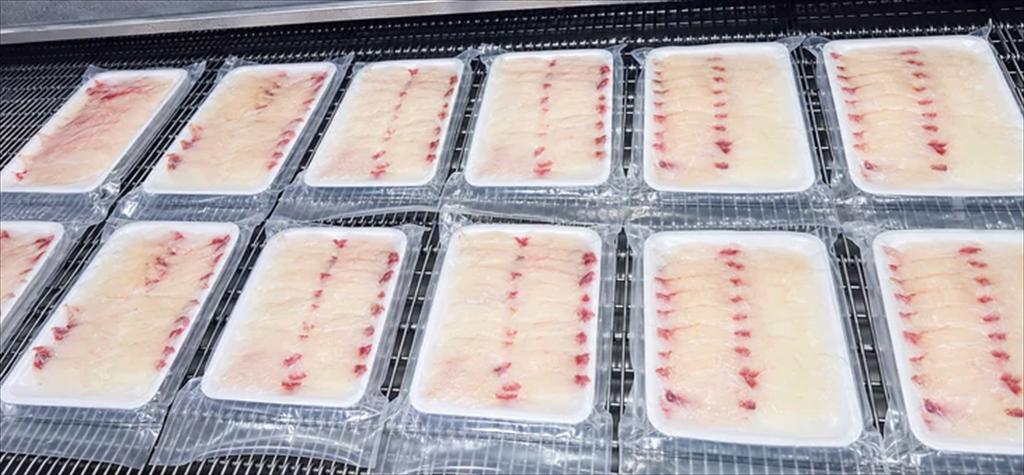 Vietnamese tilapia prepared for sashimi in Japan. Photo: Van Phuc
Longer production cycle and tighter quality control
Tilapia destined for sashimi requires a different farming process from fish produced for conventional frozen fillet markets.
While commercial tilapia is often harvested after four to five months, fish for the Japanese sashimi segment are raised for around eight to nine months, with harvest weight reaching at least approximately 1.7 kg per fish.
The longer farming cycle requires stricter control of water quality, feeding and fish health.
Water management is particularly important because off-flavours can significantly affect the suitability of the fish for raw consumption.
After harvesting, fish are transported rapidly to the processing facility in oxygenated tanks to maintain freshness and product quality.
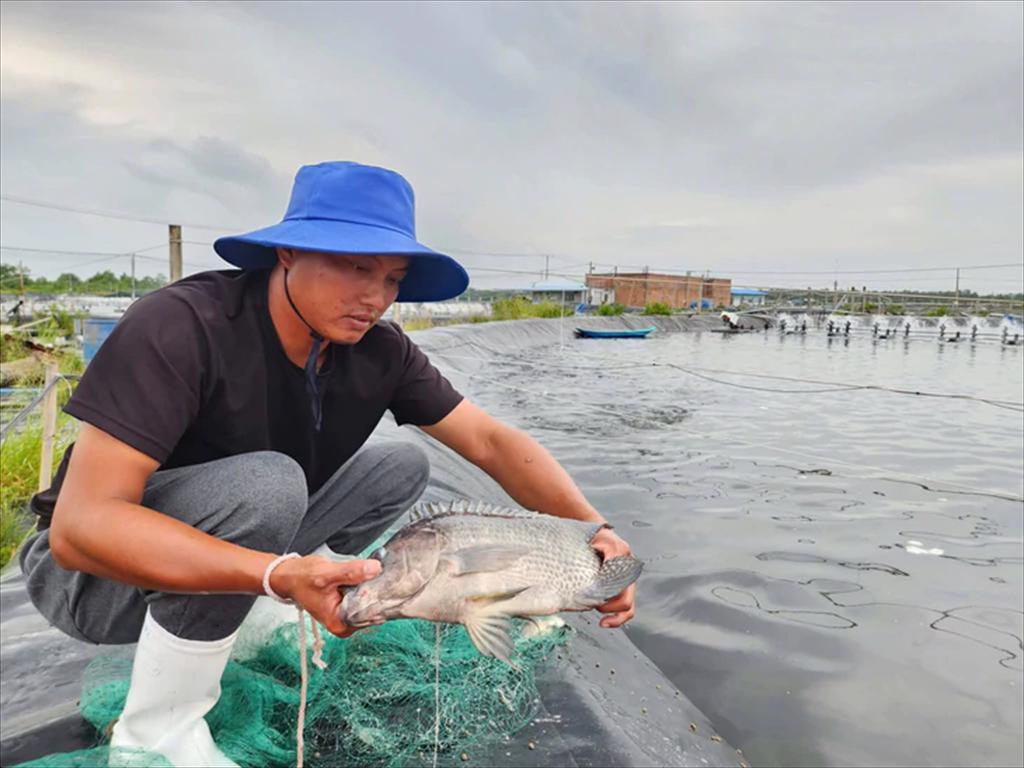 Tilapia for sashimi requires a longer farming period and stricter quality control. Photo: Khac Tam / Tuoi Tre
Technology supports quality and traceability
Technology is an important part of the production model.
Farming ponds are equipped with standardized aeration systems, while automatic water monitoring and feeding systems are being tested.
The company is also developing microbial products for water treatment and experimenting with different farming models, including lined ponds and rotation between shrimp and tilapia.
The objective is to establish a more controlled production system that reduces operating risks and provides consistent quality for export markets.
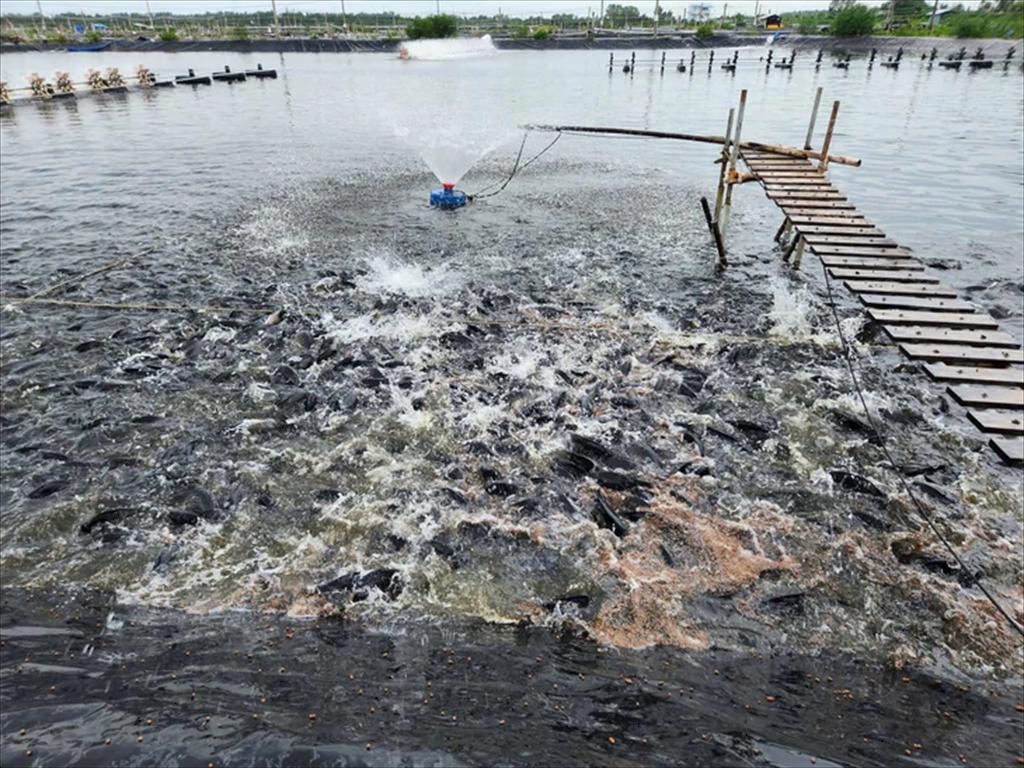 Technology and automation are increasingly applied in tilapia farming. Photo: Khac Tam / Tuoi Tre
New potential for Vietnamese tilapia
Japan is considered one of the world’s most demanding seafood markets in terms of food safety, quality, freshness and traceability.
The entry of Vietnamese tilapia into the sushi and sashimi segment therefore represents more than a new export product. It demonstrates the potential for Vietnam to move tilapia away from a purely commodity-based position and toward higher-value market segments.
According to VASEP data, Vietnam’s tilapia exports have continued to expand in 2026, while exporters are increasingly exploring opportunities in the United States, Japan and other high-value markets.
For Japan in particular, frozen fillets remain an important product category, but processed and value-added products are showing increasing potential.
The development of sashimi-grade tilapia could also create new opportunities for coastal aquaculture areas in the Mekong Delta, where shrimp ponds and existing infrastructure may be adapted for diversified production.
Vietnam Clean Seafood Corporation plans to expand raw material supply through cooperation with surrounding farmers once standardized farming protocols are completed. The company is also looking to strengthen integration across feed production, farming, processing and exports.
For Vietnam’s seafood industry, the model highlights a possible new direction for tilapia development: moving from low-cost whitefish toward differentiated, traceable and higher-value products for demanding international markets.
Source: Adapted from Tuoi Tre. Additional market information: VASEP.
Source: Tuoi Tre