(vasep.com.vn) The global tilapia market is becoming increasingly segmented, not only among producing countries but also by product type and destination market. Supply is divided into groups with distinct competitive advantages: large volumes of whole fish and frozen fillets from Asia, high-value fresh fillets from Latin America, and substantial domestic consumption in several major producing countries.
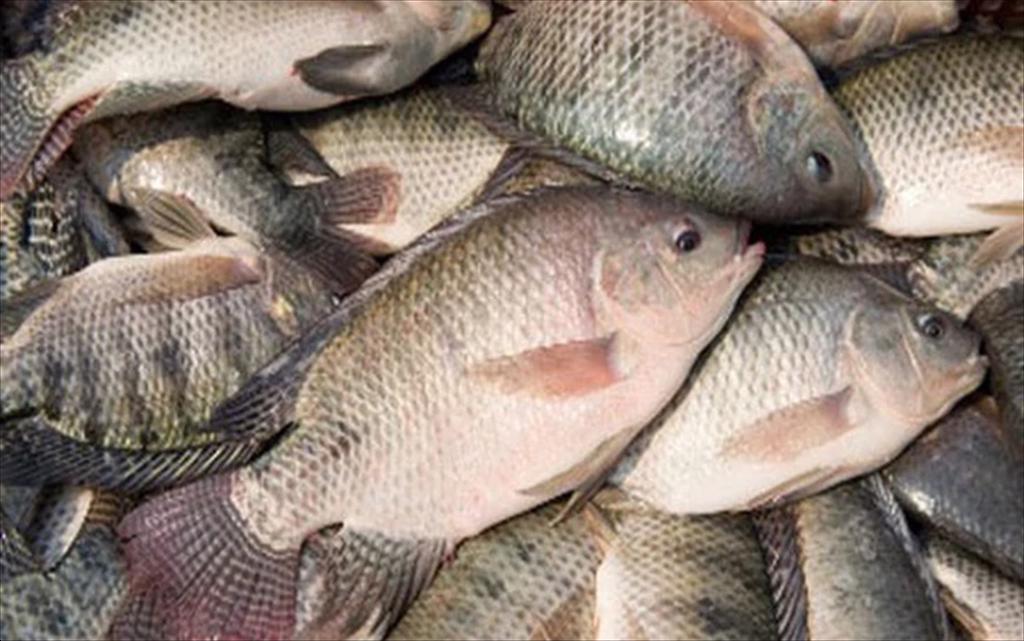
According to the INFOFISH Tilapia 2025 report, China remains the world’s leading tilapia producer. In Asia, Indonesia ranks second, followed by Bangladesh and Vietnam.
Three Supply Groups with Different Product Advantages
The first group comprises China, Vietnam, Indonesia, and Taiwan, which have the capacity to supply large volumes of frozen tilapia. These countries compete directly in the whole-fish and frozen-fillet segments, serving markets that prioritize competitively priced products.
China remains the most prominent supplier in the frozen segment. In the first quarter of 2026, its exports of frozen whole tilapia rose sharply, particularly to Côte d’Ivoire, while shipments to the United States declined significantly. This suggests that China may be redirecting its exports toward other markets, especially Africa, rather than reducing its supply capacity.
Meanwhile, Brazil, Colombia, Mexico, Honduras, and Costa Rica are strong in the fresh-fillet segment. Their geographic proximity to the United States gives them an advantage in meeting requirements for short transit times and product freshness.
The remaining group includes Egypt, Bangladesh, the Philippines, and Thailand. Although these countries have substantial production volumes, a large share is consumed domestically, meaning that not all their output enters international trade in significant quantities. In other words, high production does not necessarily translate into strong competitiveness in global markets.
Trade Flows Are Shifting
The most noticeable changes are taking place in the US market. China remains the largest supplier, but its shipments have declined, while Indonesia and Vietnam are beginning to gain market share in the frozen-fillet segment.
The decline in Chinese tilapia supplies to the United States does not mean that demand for tilapia has disappeared. Rather, the supplier mix and product composition are changing. FAO GLOBEFISH also reported that global tilapia trade continued to shift toward more competitively priced frozen products in 2025.
Brazil presents another notable development. Despite being the world’s fourth-largest tilapia producer, Brazil recorded imports exceeding exports for the first time during the first eight months of 2026, as imports of frozen fillets from Vietnam increased sharply. This demonstrates that even countries with well-developed aquaculture industries may turn to external suppliers when imported products meet their needs in terms of price, specifications, or supply capacity.
Opportunities and Challenges for Vietnam
In the frozen-product segment, China and Indonesia are Vietnam’s two direct competitors. In the US fresh-fillet market, Colombia, Honduras, Costa Rica, and Brazil hold a competitive advantage.
Vietnam benefits from the experience and capabilities developed by its pangasius industry. Its value chain, from farming areas and raw-material procurement to processing and exports, is relatively well established. Processing plants that meet stringent US and EU standards, cost-control capabilities, and favorable natural conditions for expanding farming areas are additional strengths.
These advantages are reflected in the country’s export growth. In the first eight months of 2026, Vietnam’s tilapia exports reached US$90 million, up 43% year on year. Brazil accounted for US$44 million, nearly half of the total export value, while shipments to the United States reached US$21 million.
However, the heavy concentration of exports in Brazil also creates risks. Brazil’s domestic aquaculture industry is responding to the rapid increase in imported fillets, citing concerns about price competition and disease. Market diversification is therefore an urgent priority. Vietnam’s competitiveness will depend not only on pricing but also on its ability to deliver value-added processing, consistent quality, traceability, and products targeting higher-value market segments.
Overall, the global tilapia market is not facing an absolute shortage of supply. The key issue is the segmentation of supply by product type, destination market, and logistical advantages. This ongoing realignment is creating new opportunities for Vietnam, while also intensifying direct competition among producing countries.