(seafood.vasep.com.vn) Shrimp seed quality is considered the “first link” and a decisive factor affecting the efficiency of the entire commercial shrimp production chain. High-quality seed directly influences survival rates, growth performance, and disease resistance, thereby determining production costs, productivity, and farmers’ profitability.
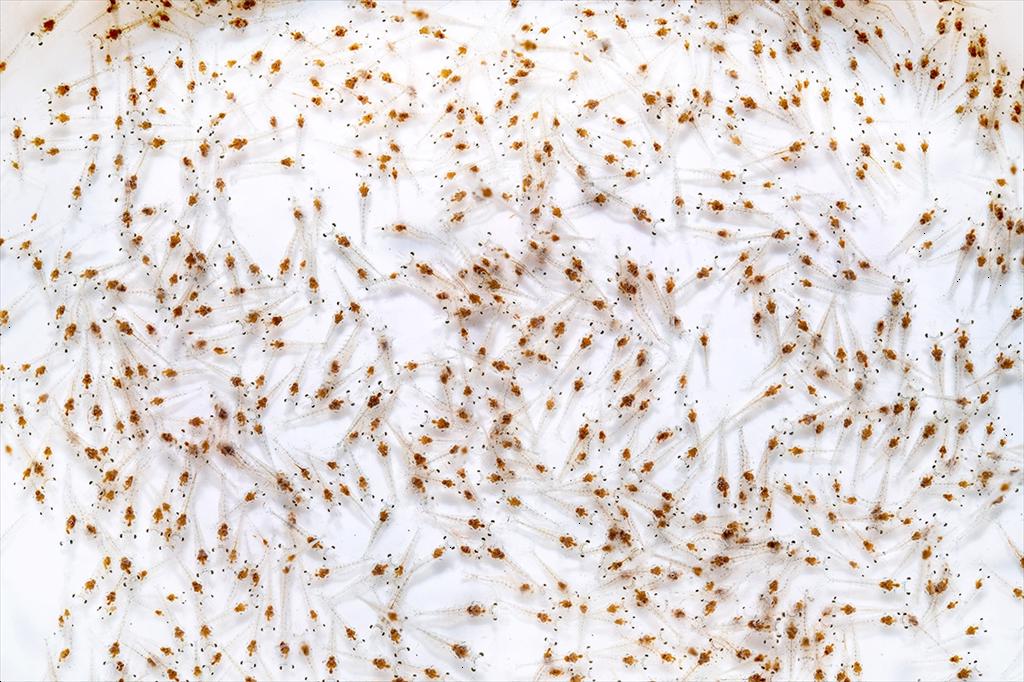
Even when modern farming technologies are applied, poor-quality seed can still lead to disease outbreaks and low economic returns. The principle “first seed, second environment, third feed, fourth technique” highlights the central role of seed quality in brackish water shrimp farming, particularly in intensive, super-intensive, and improved extensive farming systems. The use of high-quality seed has helped many localities improve survival rates, productivity, and the sustainability of shrimp production.
Currently, Vietnam has nearly 1,910 shrimp hatcheries, with total seed production projected to exceed 167 billion post-larvae in 2025. However, the sector still faces several challenges, including dependence on imported broodstock, small-scale hatcheries, weak quality control and biosecurity measures, and potential disease risks. To achieve broodstock self-sufficiency and sustainable development, it is essential to increase investment in infrastructure, strengthen domestic broodstock breeding programs, and tighten regulatory management and quarantine of shrimp seed in accordance with established standards.