(seafood.vasep.com.vn) The year 2025 is considered a turning point for Vietnam’s shrimp seed industry as the sector faces the need for strong transformation in technology, production management, and gradual self-sufficiency in broodstock supply. These factors are seen as key to improving seed quality and strengthening the competitiveness of the shrimp industry amid increasingly demanding market requirements.
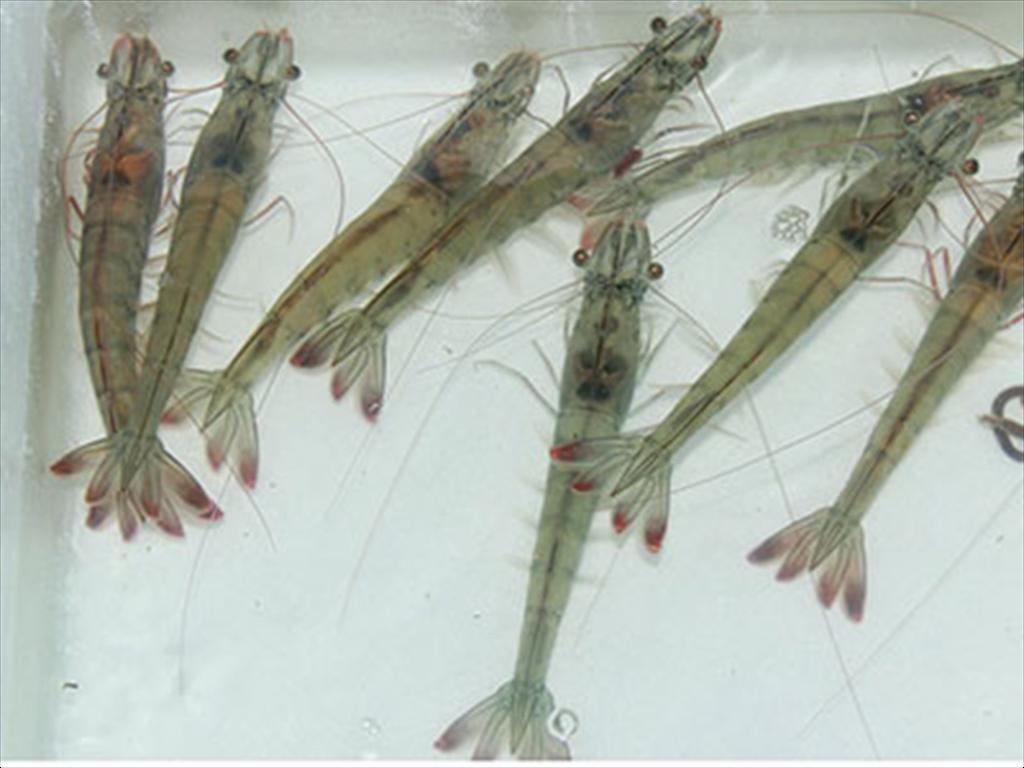
According to experts, the annual demand for shrimp seed for brackish water shrimp farming in Vietnam is estimated at 150–155 billion post-larvae, equivalent to about 260,000 broodstock shrimp. However, domestic broodstock supply remains limited, and the industry still relies heavily on imports, particularly for whiteleg shrimp.
Currently, Vietnam has nearly 1,950 shrimp seed production facilities, but only a small number of them are involved in broodstock production. Many hatcheries still lack comprehensive quality control, posing potential risks related to disease and biosecurity. In addition, counterfeit branding and the circulation of low-quality shrimp seed continue to affect the reputation of legitimate hatchery businesses and cause losses for farmers.
In this context, the shrimp seed sector is shifting toward development based on advanced technology and modern management, including genetic selection, environmental control in hatcheries, and seed traceability systems. The domestication and self-reliance in broodstock supply are considered key priorities to reduce dependence on imports and enhance the sustainability of the industry.
Experts believe that with stronger investment in technology, stricter quality management, and the development of domestic breeding programs, Vietnam’s shrimp seed industry can gradually establish a stable production chain, creating a solid foundation for the long-term development of the shrimp sector.