(seafood.vasep.com) At VietShrimp Asia 2026, disease management trends in shrimp farming are shifting strongly from treatment-based approaches toward proactive prevention through environmental and pond ecosystem control.
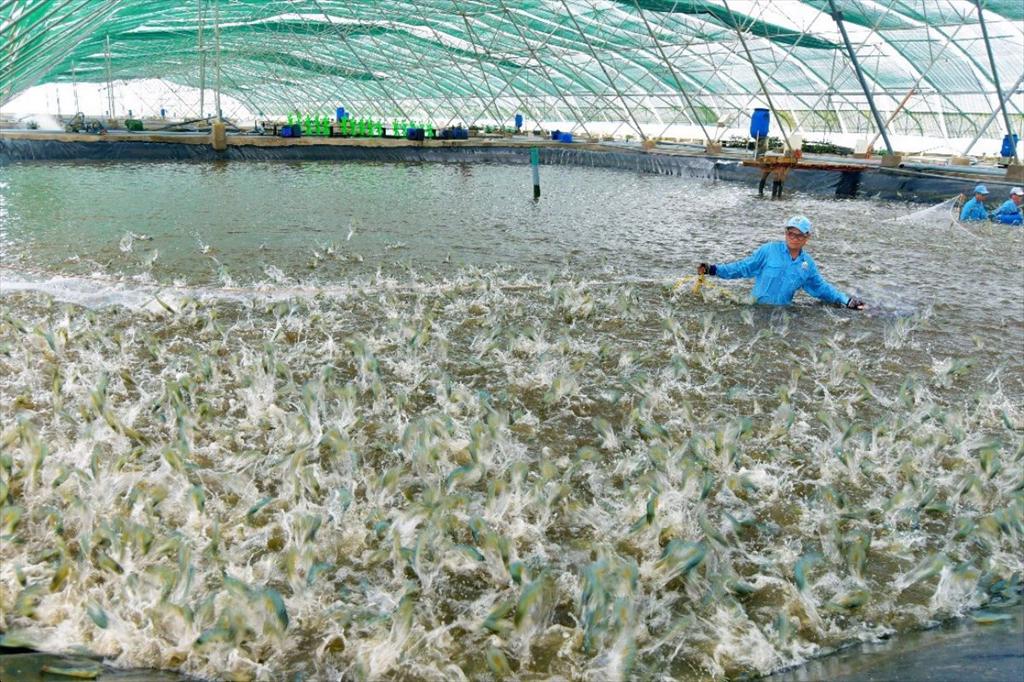
Technical discussion sessions highlighted that the focus is no longer on isolated treatment solutions, but rather on building stable farming systems to reduce the risk of disease outbreaks in intensive farming models.
One of the major challenges currently facing the industry is EHP microsporidian disease, which causes slow growth and significant economic losses for shrimp farmers. According to representatives from R.E.P Biotech, effective disease prevention strategies should combine biological compounds, probiotics, and immune-enhancing ingredients instead of relying mainly on treatment.
Flavonoid compounds are being used to inhibit parasite invasion processes, while probiotics help stabilize the microbial ecosystem and reduce stress in shrimp. At the same time, bioactive substances and phytogenics support the activation of non-specific immune responses, enhancing disease resistance.
In parallel, many companies are also increasing the application of beneficial microorganisms and enzymes to maintain stable pond environments. Selected indigenous microbial strains are capable of adapting well to fluctuations in salinity and pH, helping control pathogenic bacteria such as Vibrio while promoting nitrite treatment in high-density lined ponds.
Industry experts noted that as shrimp farming becomes increasingly intensive, disease management will be more closely linked to the ability to control the biological system within ponds, where nutrition, microbiology, and water quality are considered inseparable and interconnected factors.a