(seafood.vasep.com.vn) In the first 10 months of 2025, Vietnam’s pangasius export value to China (including Mainland China and Hong Kong) reached $483 million, up 1% compared to the same period in 2024. October alone posted $73 million, a strong 19% increase year-on-year. The Chinese market currently accounts for nearly 27% of Vietnam’s total pangasius export value.
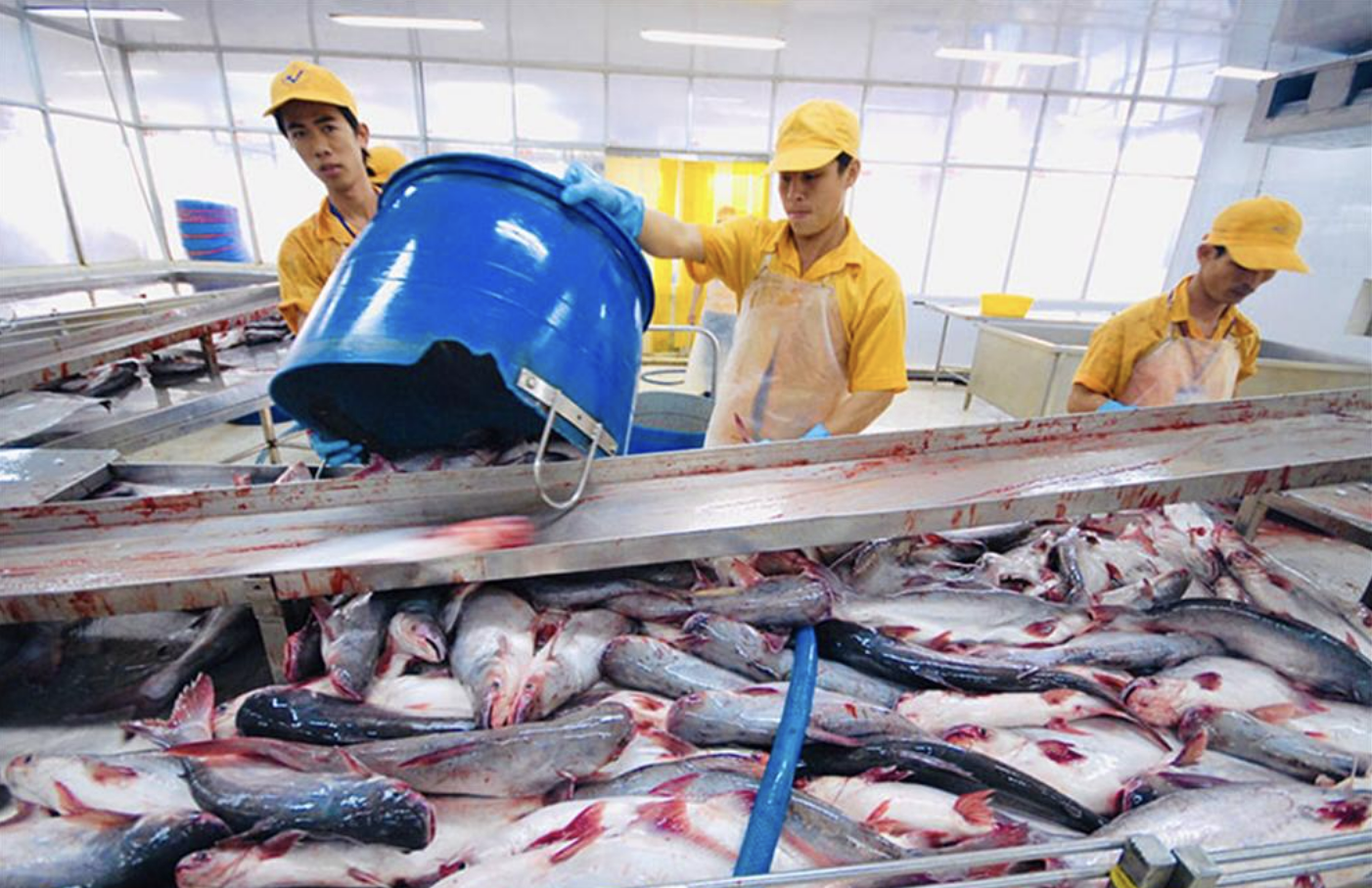
After a slowdown in the Q3/ 2025, Vietnam’s pangasius exports to China rebounded strongly in October 2025, recording the highest monthly value since the beginning of the year. However, the ability to maintain this momentum will depend heavily on domestic consumption trends in China and the level of competition from other seafood products in the region.
Vietnamese exporters are facing mounting pressure in the Chinese market. Chinese tilapia - a lower-priced whitefish substitute - is being aggressively pushed into the domestic market after encountering persistent export difficulties. Following the meeting between China and the United States leaders on October 30, Washington announced a reduction in import duties on Chinese tilapia from 55% to 45% and a suspension of new retaliatory tariffs until November 2026. Despite the 10% tariff cut, the overall duty level remains prohibitive, severely limiting access to the U.S. market. As a result, China is highly likely to prioritize domestic consumption of its tilapia surplus throughout Q4, increasing direct competitive pressure on frozen Vietnamese pangasius fillets.
Nevertheless, China remains a key market for Vietnam’s pangasius industry. Demand for frozen pangasius fillets remains stable, supported by competitive pricing that aligns well with mass-market segments. In addition, Vietnam benefits from geographic proximity, with significantly lower logistics costs compared to more distant markets, giving local exporters a notable competitive edge.
However, long-term reliance on traditional destinations such as China leaves the sector vulnerable to policy shifts in importing countries. With China’s domestic production rising and demand for standard frozen fillets showing signs of plateauing, Vietnam’s pangasius sector needs to accelerate product diversification offerings for this market. Beyond traditional frozen fillets, expanding into further-processed and value-added products could help exporters improve margins, mitigate risks, and compete more effectively over the long term.
At the same time, the industry must sustain growth in China while aggressively expanding into alternative markets to lower concentration risk. This dual-track approach is essential for ensuring stable outlets and fostering sustainable development in the coming years. In the final two months of 2025, pangasius exports to China are expected to continue growing as consumption typically rises during the festive season.