Strong Export Growth from the Beginning of the Year
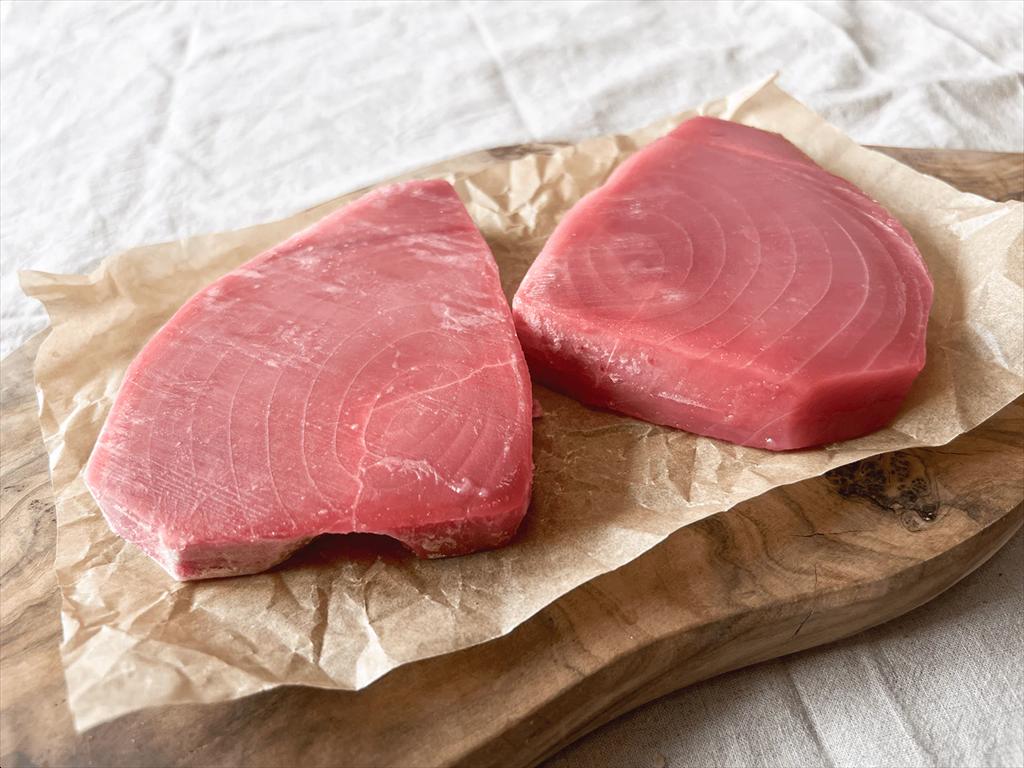
According to statistics from Vietnam Customs, Vietnam’s tuna exports to Russia reached USD 18 million in the first four months of 2026, up 55% compared to the same period last year and significantly higher than the levels recorded during the corresponding periods of the previous two years.
Monthly export data show relatively steady growth. This increase was not driven by a single exceptional month but was distributed more evenly throughout the first four months of the year. This is an encouraging sign, suggesting that demand from Russia is becoming more stable rather than being fueled solely by short-term purchasing orders.
Russia Is No Longer Just a Secondary Market
Looking back over the past two years, Russia has gradually evolved from a supplementary market into a destination that deserves closer attention within Vietnam’s tuna export portfolio.
At a time when some traditional markets continue to face challenges related to consumer demand, pricing pressure, and stringent technical requirements, the rapid growth in exports to Russia has provided Vietnamese exporters with additional opportunities to diversify their sales channels.
Importantly, this growth has emerged at a time when businesses are seeking markets with stronger purchasing capacity. Although Russia is not yet among the largest tuna markets for Vietnam, its growing significance is becoming increasingly evident.
Real Opportunities, But Not Easily Captured by Everyone
Russia remains a market with substantial demand, particularly for products that are convenient, competitively priced, and easy to distribute. This creates opportunities for frozen tuna, tuna loins, and standardized processed tuna products.
For Vietnamese exporters, these are product segments that can be effectively developed, provided they are able to maintain consistent supply and stable quality standards.
However, opportunities do not automatically translate into long-term business relationships. The Russian market remains sensitive to factors such as pricing, payment mechanisms, logistics, and broader trade-related uncertainties.
In other words, companies may be able to secure sales, but retaining customers requires a more disciplined approach—ensuring reliable deliveries, competitive pricing, and effective risk management.
The Challenge Is Not Just About Increasing Sales
A nearly 55% increase during the first four months of 2026 is undoubtedly a positive development. However, the more important question is not simply how much exports increase, but how that growth is achieved.
If growth relies heavily on short-term orders or aggressive expansion strategies, risks may emerge quickly whenever market conditions change.
Therefore, in the Russian market, a gradual and sustainable growth strategy may be the most appropriate approach. Exporters should focus on products with strong market acceptance, maintain stable supply chains, and carefully manage commercial and operational risks.
Russia Could Become a Key Growth Pillar in 2026
Russia is currently one of the fastest-growing markets for Vietnamese tuna in 2026. While it is unlikely to replace the role of all major export destinations, it has the potential to become an important growth pillar for the industry.
As global tuna markets continue to show divergent trends, Russia may help Vietnamese exporters maintain sales momentum and create additional opportunities for market expansion. The key will be identifying the right product segments, timing market entry effectively, and maintaining flexibility in addressing the considerable risks that remain associated with this market.
(vasep.com.vn) Vietnam’s shrimp exports reached $3.3 billion in the first eight months of 2026, up 12% year on year. However, growth momentum is moderating and market divergece is becoming more pronounced, while the US and EU continue to present significant challenges. The latest insights from the Global shrimp forum 2026 (GSF 2026), held in early September, also indicate that the final months of the year will remain highly competitive as global supply continues to expand and buyers place greater emphasis on quality, product specifications, supply consistency and the ability to meet market-specific demand.
(vasep.com.vn) Vietnam’s pangasius exports continued to grow in August 2026, bringing total export value in the first eight months of the year to US$1.5 billion, up 10% year-on-year. August exports alone reached US$205 million, up 6%. However, market performance has become increasingly divergent, with China and Brazil posting positive growth while the U.S. continued to record a sharp decline.
(vasep.com.vn) Vietnam’s seafood exports reached US$1.14 billion in August 2026, up 6.4% year on year, bringing the total for the first eight months to more than US$8.0 billion, an increase of 11.9%. Monthly export value remained above US$1 billion, but August growth was only around half the rate recorded cumulatively through the first eight months. This indicates that the eight-month result was supported significantly by stronger performance in earlier months, while market conditions are entering a less predictable period.
(seafood.vasep.com.vn) Pangasius is attracting growing interest from Japanese seafood companies as prices of many traditional whitefish species remain high and supply becomes increasingly volatile. Notably, seafood group Kyokuyo has recently continued to feature pangasius among its priority products, highlighting its competitive pricing and stable supply.
(seafood.vasep.com.vn) As Vietnam’s tilapia industry searches for new growth opportunities, venturing into brackish-water aquaculture could unlock a formidable competitive moat. Bypassing the volume-and-price bloodbath against established global heavyweights, Vietnam could differentiate itself through high-quality tilapia products tailored to specific farming conditions and value-added market segments.
(seafood.vasep.com.vn) 2026 is rapidly shaping up to be a formidable stress test for Vietnamese pangasius exports to the United States. While exports to alternative markets maintain a resilient growth trajectory, the U.S market has declined significantly. In the first eight months of the year, pangasius exports to the U.S fell by nearly 14% year-on-year, with August alone recording a decline of more than 50%. The trend shows that difficulties in the U.S. market are not driven solely by weak consumer demand, but also by multiple layers of trade barriers that are intensifying simultaneously, particularly additional import tariffs, anti-dumping duties and growing protectionism for the domestic catfish industry.
(vasep.com.vn) Vietnam’s pangasius exports to Japan are showing positive signals in 2026, indicating that the market is opening up greater opportunities for pangasius products, particularly processed and value-added products. In the first seven months of 2026, Vietnam’s pangasius exports to Japan reached US$31 million, up 20% year-on-year. In July alone, export value reached approximately US$5 million, up 30%.
On July 22, 2026, the Government issued Decree No. 292/2026/ND-CP detailing certain articles and providing measures for the organization and implementation of the Law on Foreign Trade Management. The Decree takes effect on September 5, 2026, replacing Decree No. 69/2018/ND-CP.
(vasep.com.vn) Vietnamese pangasius producer Vinh Hoan has won the top prize at the 2026 Seafood Excellence Asia Awards for its Cured Panga Croquette, highlighting the growing potential of value-added pangasius products in international markets.
(vasep.com.vn) The Global Shrimp Forum (GSF) 2026 is taking place from September 1–3 in Utrecht, the Netherlands, bringing together around 585 delegates from 40 countries, representing approximately 300 companies and organizations across the shrimp supply chain. Representatives from VASEP are attending the event as part of the Vietnamese delegation, strengthening connections with partners across the global shrimp industry.
VASEP - HIỆP HỘI CHẾ BIẾN VÀ XUẤT KHẨU THỦY SẢN VIỆT NAM
Chịu trách nhiệm: Ông Nguyễn Hoài Nam - Phó Tổng thư ký Hiệp hội
Đơn vị vận hành trang tin điện tử: Trung tâm VASEP.PRO
Trưởng Ban Biên tập: Bà Phùng Thị Kim Thu
Giấy phép hoạt động Trang thông tin điện tử tổng hợp số 138/GP-TTĐT, ngày 01/10/2013 của Bộ Thông tin và Truyền thông
Tel: (+84 24) 3.7715055 – (ext.203); email: kimthu@vasep.com.vn
Trụ sở: Số 7 đường Nguyễn Quý Cảnh, Phường An Phú, Quận 2, Tp.Hồ Chí Minh
Tel: (+84) 28.628.10430 - Fax: (+84) 28.628.10437 - Email: vasephcm@vasep.com.vn
VPĐD: số 10, Nguyễn Công Hoan, Ngọc Khánh, Ba Đình, Hà Nội
Tel: (+84 24) 3.7715055 - Fax: (+84 24) 37715084 - Email: vasephn@vasep.com.vn