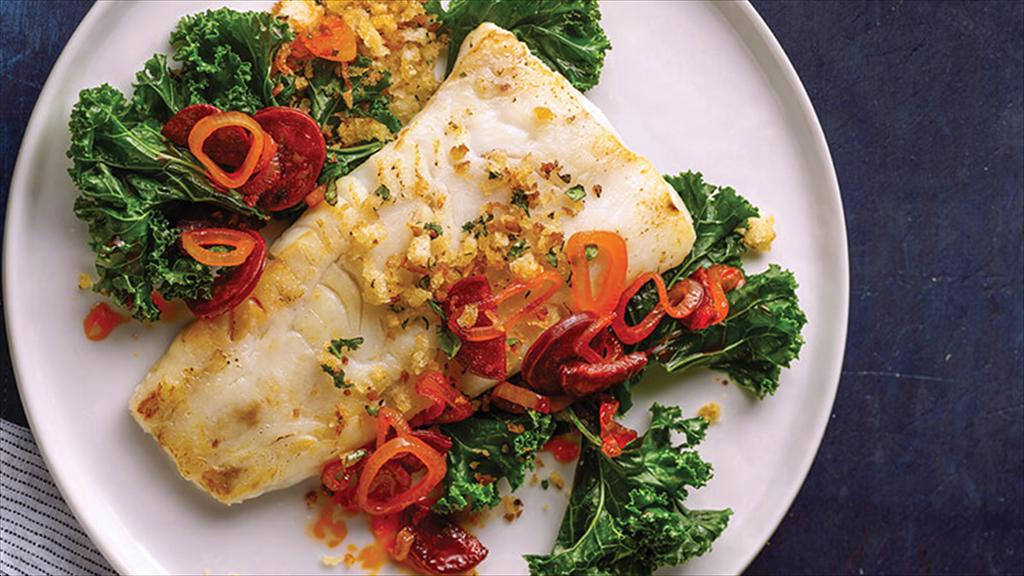
U.S. whitefish imports decline
According to ITC data, total U.S. whitefish imports in the first two months of 2026 reached USD 264 million, down 31% year-on-year. Frozen cod fillets remained the largest item at USD 71 million, but also declined by 25%. Overall, most imported whitefish products showed a downward trend.
Another factor affecting imports is the cautious sentiment among U.S. importers. On February 24, 2026, the U.S. imposed a temporary 10% import surcharge under Section 122 of the Trade Act of 1974 for 150 days, with the possibility of increasing it to 15%. Under such uncertainty, importers tend to purchase only as needed, shorten contract cycles, and avoid long-term inventory buildup.
Tilapia rises while pangasius faces challenges
On the other hand, tightening supply of traditional whitefish is creating more room for alternative species, notably tilapia and pangasius. In early 2026 data, frozen tilapia fillets ranked as the second-largest imported whitefish product in the U.S., reaching USD 54 million and accounting for 21% of total imports. Frozen pangasius fillets ranked third with USD 44 million, accounting for 17%. This indicates that U.S. buyers continue to show strong interest in more price-competitive alternatives to cod.
Within this landscape, Vietnamese pangasius in the U.S. is both facing opportunities and mounting pressure. According to available data, pangasius exports to the U.S. reached USD 67 million in the first three months of 2026, down 3% year-on-year. Notably, the decline mainly came from value-added processed products, which fell sharply by 83% to just USD 761,000, accounting for only about 1% of exports. In contrast, frozen pangasius fillets remained relatively stable at USD 65 million, up 3% and making up 97% of total exports. This suggests that U.S. demand for pangasius is still heavily concentrated in basic, affordable products that are easy to distribute through retail and foodservice channels.
Improving quality and branding to enhance competitiveness
Overall, Vietnamese pangasius in the U.S. is not only under pressure from tariffs and policy uncertainty but also faces intensifying competition in a market that is both contracting and evolving in consumer behavior. As tilapia continues to gain ground, pangasius’ price advantage is likely to narrow.
To maintain and expand its position in the U.S., Vietnamese exporters can no longer rely solely on a “competitive price” strategy. Instead, they need to shift toward competing on consistent quality, international certifications, sustainability, traceability, and brand building. In the short term, frozen fillets will remain the core product; however, in the long run, only companies that can meet higher standards and build internationally recognized brands will be able to secure a more sustainable foothold in the U.S. market.
(seafood.vasep.com.vn) Entering 2026, the U.S. whitefish market has shown complex developments as global cod supply continues to tighten, while the U.S. trade environment becomes less stable. In this context, the U.S. market has had to become more flexible in sourcing alternative whitefish. However, relying heavily on Alaska pollock is not a long-term solution, as it is a strictly managed fishery with quotas and sustainability regulations, limiting any rapid increase in output to offset cod shortages.
(seafood.vasep.com.vn) Aquaculture, capture fisheries, and seed production activities in Lam Dong in the early months of 2026 continued to show positive signs, with both output and farming area slightly increasing compared to the same period, contributing to maintaining overall industry stability.
(seafood.vasep.com.vn) According to Vietnam Customs data, tuna exports in the first month of 2026 reached over USD 75 million, up 13% compared to the same period in 2025. Notably, exports increased in most key markets such as Japan, the EU, and Russia, while exports to the United States fell by 6%—a contrasting development amid ongoing adjustments in U.S. import tariff policies and new compliance requirements under the Marine Mammal Protection Act (MMPA), which took effect at the beginning of the year.
(seafood.vasep.com.vn) In March 2026, Vietnam’s tilapia exports recorded strong growth, reaching USD 15 million, up 109% compared to the same period in 2025. Cumulatively, in the first three months of 2026, export value reached USD 38 million, an increase of 174% year-on-year. This result highlights the sector’s robust expansion and reflects rapid growth across multiple markets.
(seafood.vasep.com.vn) In March 2026, Vietnam’s pangasius export value reached USD 182 million, up 1% compared to the same period in 2025. Cumulatively, exports in the first three months of 2026 totaled USD 514 million, an increase of 17% year-on-year, indicating that the growth momentum is being maintained despite signs of slowdown in some markets during March.
(seafood.vasep.com.vn) During peak heat periods, farmers raising pangasius, tilapia, and other freshwater fish in Dong Thap are implementing various technical measures to reduce risks and maintain stable production.
(seafood.vasep.com.vn) Japan continues to be one of Vietnam’s most important and stable shrimp markets. In recent years, shrimp exports to this market have fluctuated in line with Japan’s broader economic and consumption cycles, yet Japan remains a major, high-value destination with stringent standards.
(seafood.vasep.com.vn) In 2025, Vietnam’s tuna exports to Spain increased by 13% compared to 2024. This growth trend has continued into the first two months of 2026. According to Vietnam Customs statistics, export turnover to this market reached nearly USD 3 million in January–February 2026, up 101% year-on-year and significantly higher than the same period in 2024. This development indicates that Spain is once again becoming a notable destination for Vietnamese tuna amid strong demand for tuna raw materials and products in Europe.
(seafood.vasep.com.vn) The 2026 brackish water shrimp farming season in the Mekong Delta has started earlier than usual, mainly driven by positive market signals, as shrimp prices in 2025 remained high and supply was limited. Many enterprises and farms in Cần Thơ, Cà Mau, and Vĩnh Long have proactively stocked early to seize opportunities. By early 2026, stocking areas in many localities had reached a high proportion of planned targets, with intensive and high-tech farming models expanding rapidly.
(vasep.com.vn) Vietnam’s tilapia exports to the United States recorded remarkable growth in 2025, opening up major opportunities while also presenting considerable challenges. The U.S. remains the largest importer of Vietnamese tilapia fillets, with export turnover reaching USD 40 million—an increase of up to 499% compared to 2024. This impressive growth reflects strong demand in the U.S. market, as supply from competing countries such as China has been constrained by tariffs and rising production costs.
VASEP - HIỆP HỘI CHẾ BIẾN VÀ XUẤT KHẨU THỦY SẢN VIỆT NAM
Chịu trách nhiệm: Ông Nguyễn Hoài Nam - Phó Tổng thư ký Hiệp hội
Đơn vị vận hành trang tin điện tử: Trung tâm VASEP.PRO
Trưởng Ban Biên tập: Bà Phùng Thị Kim Thu
Giấy phép hoạt động Trang thông tin điện tử tổng hợp số 138/GP-TTĐT, ngày 01/10/2013 của Bộ Thông tin và Truyền thông
Tel: (+84 24) 3.7715055 – (ext.203); email: kimthu@vasep.com.vn
Trụ sở: Số 7 đường Nguyễn Quý Cảnh, Phường An Phú, Quận 2, Tp.Hồ Chí Minh
Tel: (+84) 28.628.10430 - Fax: (+84) 28.628.10437 - Email: vasephcm@vasep.com.vn
VPĐD: số 10, Nguyễn Công Hoan, Ngọc Khánh, Ba Đình, Hà Nội
Tel: (+84 24) 3.7715055 - Fax: (+84 24) 37715084 - Email: vasephn@vasep.com.vn