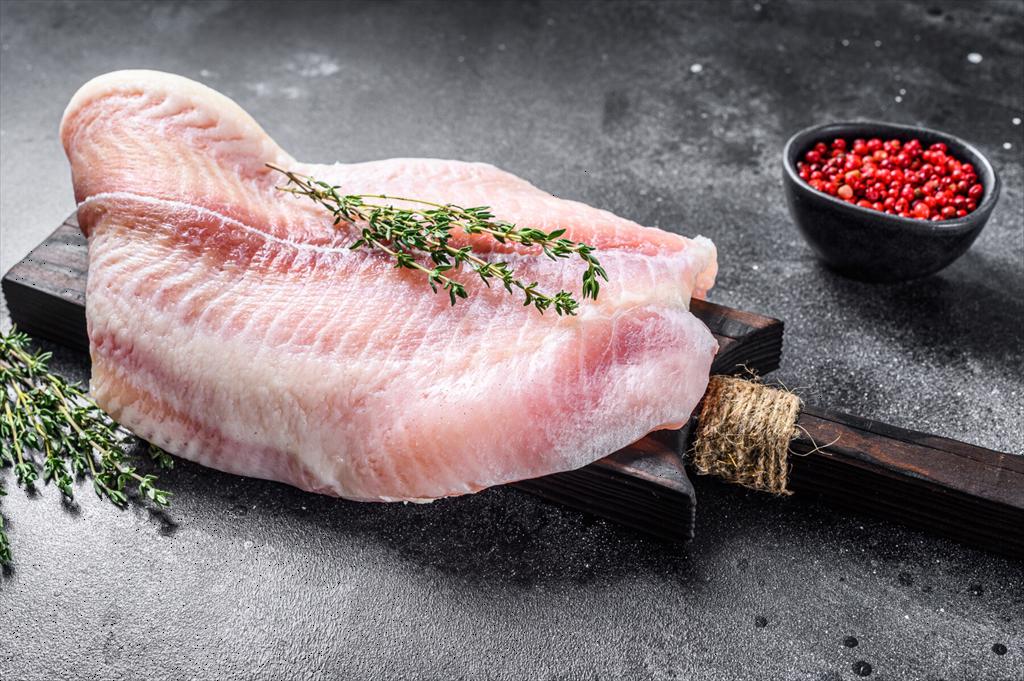
According to April 2026 data, pangasius exports to Mexico reached USD 8 million, up 124% compared to the same period in 2025 — the highest monthly growth rate among Vietnam’s top 10 export markets. Cumulative exports to Mexico from January to April totaled USD 31 million, up 57% year-on-year, making Mexico the fourth-largest importer of Vietnamese pangasius.
Brazil recorded USD 57 million in pangasius imports during the first four months of 2026, down 7% year-on-year, but showed signs of recovery as April exports reached USD 17 million, up 13%. Brazil maintained its position as the third-largest market with an 8% market share. Meanwhile, Colombia continued its upward trend, with April exports reaching USD 4 million, up 13%, bringing cumulative four-month exports to USD 20 million, up 54%, ranking seventh among Vietnam’s largest pangasius markets.
Room for Frozen Pangasius Fillets
The Latin American market demonstrates several characteristics that align well with Vietnam’s pangasius export structure. The region still offers significant potential for frozen pangasius fillets — the core product of Vietnam’s pangasius industry.
Consumers in Mexico, Brazil, and Colombia prioritize affordable seafood products while still requiring compliance with import standards and international certifications such as ASC, BAP, and HACCP. These requirements match the current capabilities of Vietnamese pangasius exporters, who are already accustomed to meeting the strict standards of the EU and U.S. markets.
Local culinary habits also support pangasius consumption. Consumers in the region favor simple cooking methods such as frying and grilling or using fish in traditional dishes — fish tacos and ceviche in Mexico, moqueca in Brazil, and various fried fish dishes in Colombia. Pangasius fillets, with their neutral flavor, firm texture, and boneless convenience, are increasingly viewed as a cost-effective alternative to cod or Alaska pollock in local cuisine.
In addition, the combined population of these three countries is estimated at around 380 million people — larger than the EU population — with a growing middle class and rising demand for affordable protein. Vietnam’s stable year-round pangasius supply, supported by aquaculture production, also offers an advantage over wild-caught whitefish species that are subject to seasonal fluctuations and fishing quotas.
Trade Frameworks Are Strengthening
Mexico already benefits from tariff preferences under the Comprehensive and Progressive Agreement for Trans-Pacific Partnership (CPTPP), giving Vietnamese pangasius a competitive advantage over suppliers without free trade agreements.
Regarding the Southern Common Market (Mercosur) bloc — comprising Brazil, Argentina, Uruguay, and Paraguay — Vietnam and Mercosur have officially launched negotiations for a Preferential Trade Agreement. Once finalized, the agreement is expected to provide Vietnamese pangasius with additional advantages in accessing Brazil and other Mercosur member markets.
Opportunities from the Global Whitefish Supply Crisis
The strong growth of the three Latin American markets coincides with tightening global supply of natural whitefish. The Groundfish Forum 2025 forecasts that total global natural whitefish production in 2026 will decline by 145,000 metric tons, or 2.2% compared to 2025, due to reduced fishing quotas.
Latin American markets such as Mexico, Brazil, and Colombia depend significantly on imported whitefish supplies — particularly cod and Alaska pollock — for both consumption and processing. As global supply tightens and prices fluctuate, these markets are facing rising procurement costs. In this context, Vietnamese pangasius is emerging as a suitable alternative that can meet requirements for nutrition, affordability, and stable supply.
As the EU continues to maintain technical barriers and the U.S. market faces tariff-related pressures, expanding Vietnam’s presence in Latin America carries practical importance for market diversification and risk mitigation. However, to sustain growth momentum, businesses will need to continue investing in international certification systems, traceability, and product development tailored to local tastes — especially as Mercosur negotiations may open additional tariff opportunities in the coming years.
(seafood.vasep.com.vn) With continued policy support, technological innovation and close coordination among authorities, businesses and farmers, Vietnam’s pangasius industry is expected to make a strong and sustainable breakthrough during the 2026–2030 period, reinforcing its position as the world’s leading exporter of the fish.
(seafood.vasep.com.vn) During the first four months of 2026, Vietnam’s tilapia exports to Asian markets showed varying trends across regions and countries. The Middle East recorded strong growth, with Saudi Arabia emerging as the largest Asian market for Vietnamese tilapia. ASEAN markets also expanded significantly, driven primarily by Malaysia. Meanwhile, Japan maintained solid growth, while exports to South Korea declined compared to the same period in 2025.
(seafood.vasep.com.vn) Shrimp and pangasius continued to lead growth, helping seafood exports reach $4.67 billion in the first five months of the year; however, differentiation among product groups and increasingly stringent requirements from importing markets are posing many challenges for the industry.
(seafood.vasep.com.vn) Every day, the seafood processing industry in Ca Mau generates large quantities of shrimp heads and shells during processing operations. In the past, these by-products were largely treated as waste, increasing production costs and posing potential environmental risks. However, thanks to advanced processing technologies, materials once considered waste are now being transformed into high-value products, creating a circular economy model within the seafood industry.
(seafood.vasep.com.vn) Vietnam Clean Seafood Corporation has invested in a 280-hectare super-intensive shrimp farming zone in Tran De Commune, Can Tho City, generating export value of approximately VND 3 billion per hectare per year—around 50 times higher than traditional agricultural production.
(vasep.com.vn) Vietnam’s seafood exports reached USD 1.02 billion in May 2026, up 0.6% year-on-year. Cumulative exports in the first five months of 2026 totaled USD 4.67 billion, an increase of 11% compared to the same period in 2025.
(seafood.vasep.com.vn) In a rapidly changing global seafood market, timely insights and reliable data are more critical than ever. The Report on Vietnam Seafood Exports in Q1/2026 provides a comprehensive overview of the latest developments in Vietnam’s seafood production, trade performance, and export trends, helping businesses navigate uncertainty and identify new growth opportunities.
(seafood.vasep.com.vn) While many major markets continue to experience slow growth, Russia has emerged as a brighter destination for Vietnamese tuna exports in early 2026. Export turnover to this market increased by nearly 55% in the first four months of the year, indicating a clear improvement in demand. Nevertheless, Russia remains a market that should be viewed with both optimism and caution.
(seafood.vasep.com.vn) Vietnam’s pangasius exports have shown encouraging signs of recovery in 2026. In the first four months of the year, total export turnover reached USD 720 million, up 17% compared to the same period last year. This result reflects improving demand across many markets, as well as the efforts of Vietnamese pangasius enterprises to maintain production, secure orders, and adapt to changing market conditions.
(seafood.vasep.com.vn) In the first four months of 2026, Vietnam’s tilapia exports reached USD 49 million, up 151% compared to the same period in 2025. This impressive growth reflects positive momentum in the tilapia sector, with Brazil emerging as a key driver of growth, while frozen tilapia fillets continued to be the industry's leading export product.
VASEP - HIỆP HỘI CHẾ BIẾN VÀ XUẤT KHẨU THỦY SẢN VIỆT NAM
Chịu trách nhiệm: Ông Nguyễn Hoài Nam - Phó Tổng thư ký Hiệp hội
Đơn vị vận hành trang tin điện tử: Trung tâm VASEP.PRO
Trưởng Ban Biên tập: Bà Phùng Thị Kim Thu
Giấy phép hoạt động Trang thông tin điện tử tổng hợp số 138/GP-TTĐT, ngày 01/10/2013 của Bộ Thông tin và Truyền thông
Tel: (+84 24) 3.7715055 – (ext.203); email: kimthu@vasep.com.vn
Trụ sở: Số 7 đường Nguyễn Quý Cảnh, Phường An Phú, Quận 2, Tp.Hồ Chí Minh
Tel: (+84) 28.628.10430 - Fax: (+84) 28.628.10437 - Email: vasephcm@vasep.com.vn
VPĐD: số 10, Nguyễn Công Hoan, Ngọc Khánh, Ba Đình, Hà Nội
Tel: (+84 24) 3.7715055 - Fax: (+84 24) 37715084 - Email: vasephn@vasep.com.vn