(seafood.vasep.com.vn) Amid ongoing challenges in Vietnam’s shrimp sector due to disease outbreaks, high costs, and fierce international competition, several exporters in the Mekong Delta have boldly developed saltwater tilapia farming as a strategic move. Tilapia is not only easy to raise and low-risk but also helps improve pond environments and enhance shrimp farming efficiency.
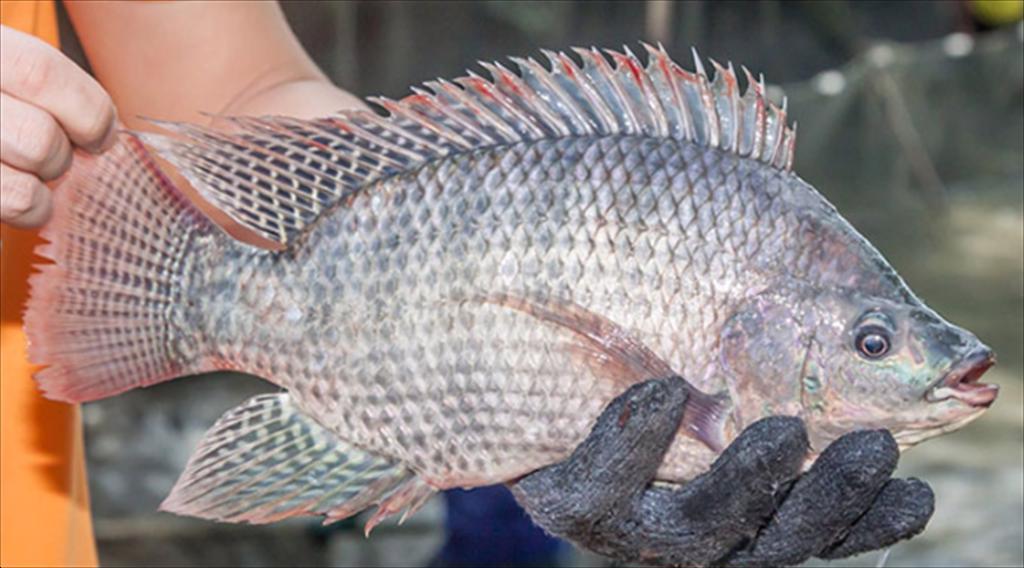
According to experts and exporters, tilapia has a culture cycle similar to shrimp, enjoys strong demand both domestically and internationally—including in demanding markets such as Halal—and has a natural water-filtering ability that helps clean ponds and reduce pathogens. This makes tilapia highly suitable for crop rotation between shrimp harvests.
The great potential of tilapia is reflected in the initiative of Tai Kim Anh Seafood Processing JSC, which is developing linked farming areas with local farmers across 700 hectares to supply its upcoming tilapia processing plant, with an initial capacity of 200 tons/day, expandable to 500 tons/day. The company is also providing fingerlings, feed, and other inputs to ensure stable, high-quality supply.
Other exporters are also experimenting with raising tilapia in salinity levels of 10–20 ppt. Results have been promising, with US experts describing the meat quality as “the best ever tasted.” This opens significant opportunities for exporting value-added tilapia products, especially from brackish-saltwater regions like Soc Trang and Vinh Chau.
Expanding saltwater tilapia farming not only helps reduce pressure on the shrimp industry but also creates jobs, increases farmer income, and boosts export turnover—provided that systematic support policies are in place for seed supply, market linkages, and deep processing investment.