(seafood.vasep.com.vn) The whitefish market in Japan is showing a clear divergence among supplying countries, in which Vietnam continues to affirm its role as a stable and high-potential exporter. Vietnam currently ranks third after the US and Russia in whitefish export value to Japan. Thanks to tariff incentives and the ability to meet Japan’s strict standards, Vietnamese pangasius continues to record a stable and positive growth trend.
According to ITC statistics, Japan’s whitefish imports in the first eight months of 2025 continued to show positive growth. The US remained the largest supplier, followed by Russia and Vietnam.
Pangasius is becoming increasingly popular in the Japanese market
For Vietnamese pangasius, total export value to Japan reached USD 34 million in the first nine months of 2025, up 14% compared to the same period in 2024. In September alone, Vietnam’s pangasius export value to Japan increased by 12% compared with September 2024, indicating rising import demand, especially as wild-caught species such as pollock and cod are facing pressure from reduced catch volumes due to tightened quotas.
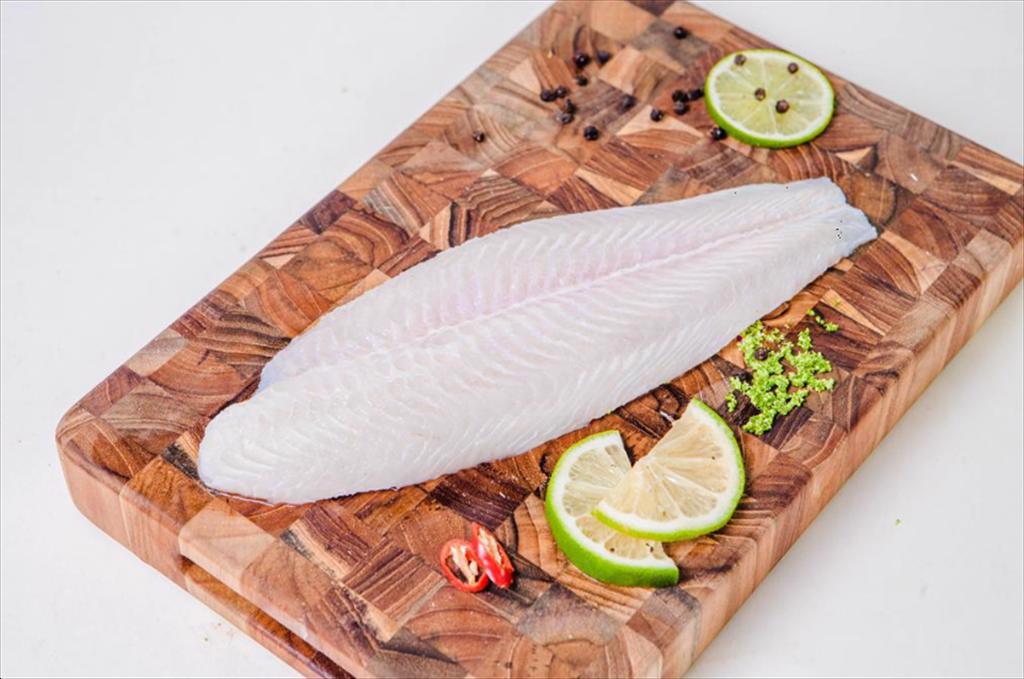
Frozen pangasius fillets remain the main export item to Japan, reaching nearly USD 30 million in the first nine months, up 11%. Meanwhile, the value-added pangasius category grew strongly by 47%, reflecting strong consumer demand in Japan for this product line. Export value of other fresh, frozen whole pangasius and cut products also increased by 39%, showing an expansion in the export structure in the Japanese market.
In the structure of whitefish consumption in Japan, pangasius fillets currently rank second only to Alaska pollock fillets, becoming an increasingly popular substitute in the processed food industry, restaurant chains, and supermarkets.
This growth partly comes from the CPTPP Agreement, which helps Vietnamese pangasius receive tariff preferences, thereby achieving a more competitive price compared with other imported products. Especially as Japan’s economy slows down, consumers tend to choose products that are reasonably priced, have stable origins, and are easy to prepare.
Not only popular in supermarkets, Vietnamese pangasius has just been added to the menu of the Kura Sushi restaurant chain — one of Japan’s well-known sushi brands. The appearance of pangasius sushi affirms the position of Vietnamese seafood in this demanding market, as Vietnamese pangasius can meet strict standards on food safety, farming practices, and processing.
Competitive pressure from Russia and the need for product diversification
However, competitive pressure is increasing as Russia shows clear intentions to boost seafood exports to Asian markets, including Japan, to compensate for declining exports to Europe. If supply from Russia increases, especially processed products from pollock and cod, the competitive price gap may narrow.
In this context, Vietnamese enterprises are recommended to strengthen diversification of value-added products and invest in convenient product lines such as portioned fillets, breaded products, ready-to-cook packaged products, or those processed for foodservice. At the same time, enterprises need to enhance and meet quality certifications and standards on traceability and transparency in production processes to consolidate credibility with Japanese importers, aiming for stable and long-term development in this market.
With stable growth momentum, tariff support from the CPTPP Agreement, and the shift toward sustainably farmed seafood, the Japanese market remains a potential destination for Vietnamese pangasius. Developing deeply processed products not only helps expand market share but also enhances the brand value of Vietnamese seafood in the global supply chain.