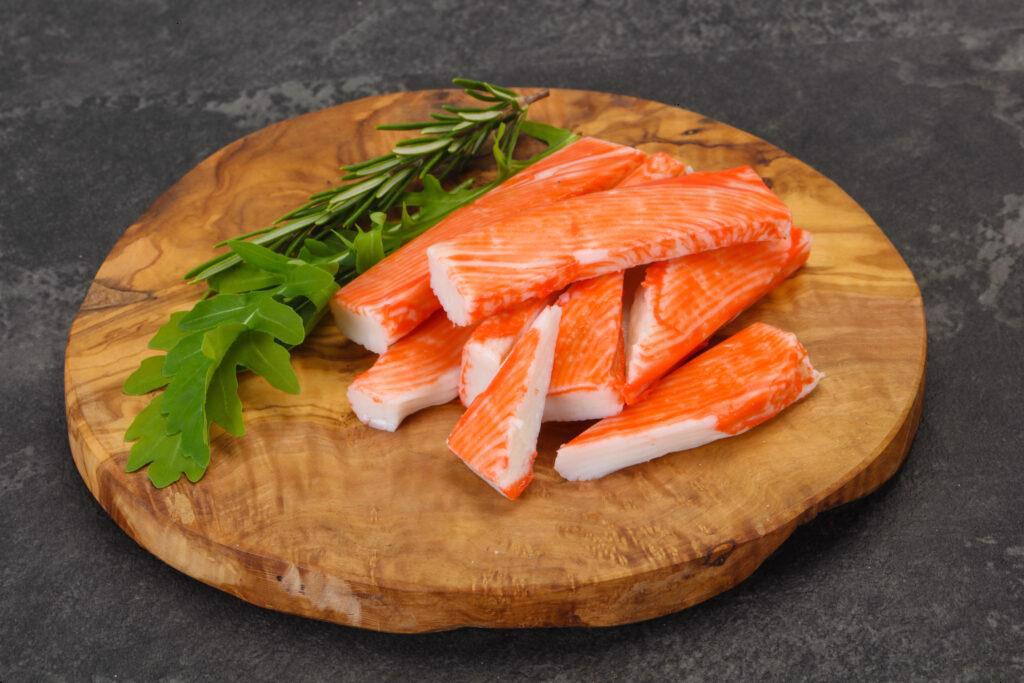
(seafood.vasep.com.vn) Amid Vietnam’s seafood sector’s ongoing shift toward value-added products, surimi – a processed and refined minced fish product – is emerging as a key player in the country’s export strategy. With abundant raw materials and increasingly sophisticated processing techniques, surimi has become a bright spot in Vietnam’s seafood exports, especially during challenging times like the present.
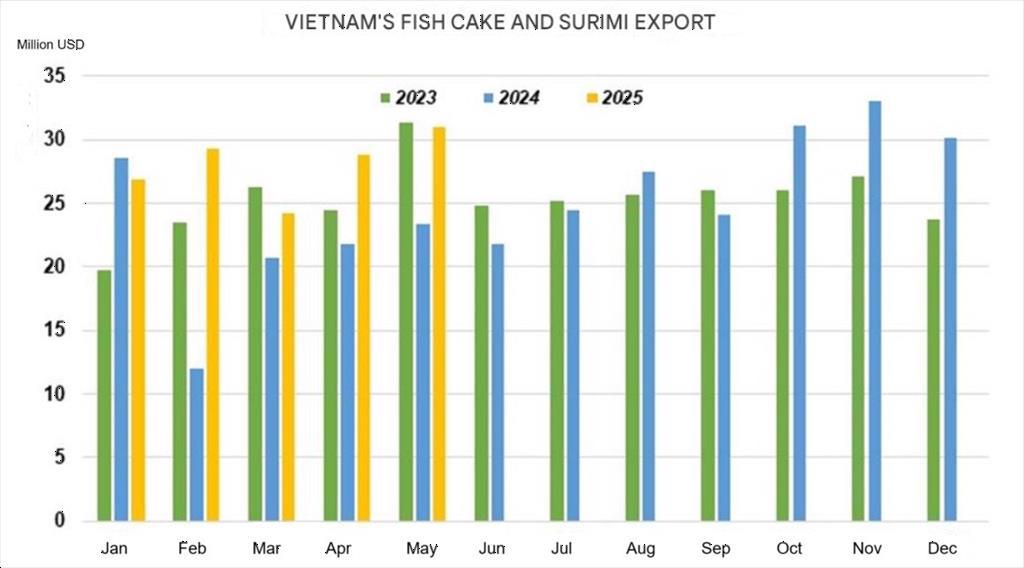
According to statistics from Vietnam Customs, exports of fish cakes and surimi in May 2025 reached their highest level since the beginning of the year, nearing USD 31 million, up 33% compared to the same period last year. This brought total export value of these products in the first five months of the year to over USD 140 million, a 32% increase year-on-year – the highest in the past three years.
Exports of fish cakes and surimi to key markets such as South Korea, Thailand, China, and Japan all saw significant growth of over 30% compared to the same period in 2024. In addition, Vietnamese enterprises are expanding exports to other destinations such as the EU, Indonesia, the Philippines, and Russia, reflecting a clear effort to explore niche markets in an increasingly competitive environment.
According to businesses, global demand for surimi is rising rapidly, from Asia to Europe and North America, presenting Vietnam with numerous export opportunities. However, the industry also faces several challenges.
First, input costs are increasing due to a tightening supply of raw fish, which impacts production costs and price competitiveness.
Second, import markets are imposing stricter technical barriers, particularly regarding chemical residues, preservatives, and food safety standards.
Moreover, high logistics costs and intense competition from other countries in the region are putting additional pressure on Vietnamese exporters.
To sustain growth momentum, businesses need to focus on securing stable raw material sources, improving product quality, and meeting international standards. At the same time, it is essential to diversify export markets, tap into niche segments, and expand value-added product lines. Close coordination with relevant authorities to streamline administrative procedures and enhance trade promotion is also a critical success factor.