(seafood.vasep.com.vn) At the conference on “Linking the Production and Consumption Chain of Ca Mau Crab 2025,” Vice Chairman of the Ca Mau Provincial People’s Committee Lê Văn Sử posed a central question: how to shift the province’s crab exports toward official trade channels, instead of relying heavily on small-scale border trade with China as currently practiced.
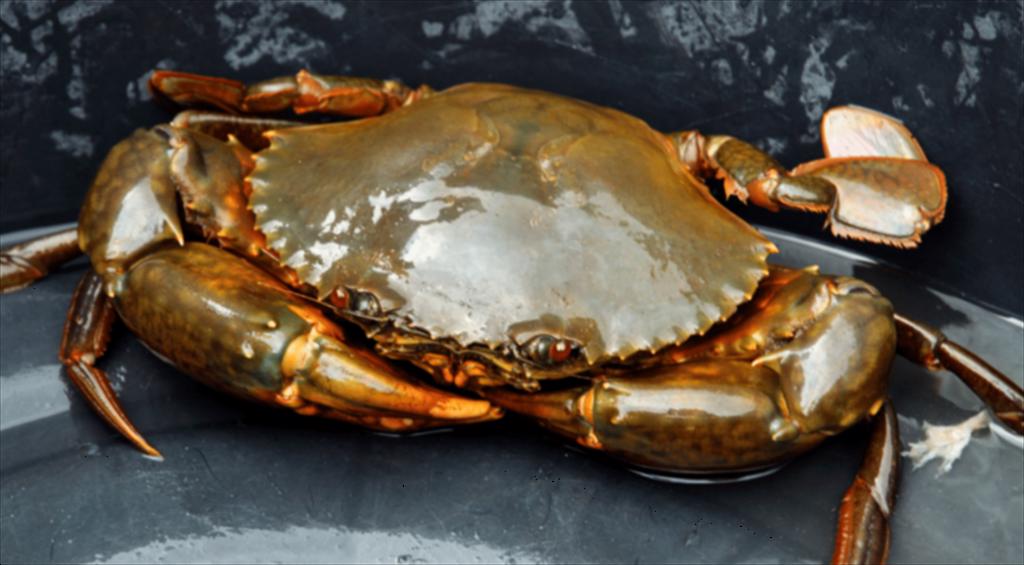
Ca Mau is Vietnam’s largest brackish-water aquaculture area, with over 417,000 hectares of farming zones and an annual output of more than 907,000 tons. Alongside shrimp—the province’s key product—sea crab is emerging strongly, with more than 365,000 hectares of farming area and an estimated annual output of 36,500 tons. However, official export figures for crab remain almost nonexistent, as most exports—valued at an estimated 700 million USD per year—are routed unofficially through border trade and thus are not reflected in the province’s export statistics.
At the conference, businesses pointed out that although the crab value chain is expanding, several challenges persist: seasonal fluctuations in output, weak and unstable market linkages, the absence of a unified traceability system, high logistics and preservation costs, and a lack of international certifications to access high-standard markets. Some countries, such as South Korea, have strong demand but impose stringent technical barriers that hinder market entry.
To enhance value and create stable demand, many enterprises are forming long-term purchasing partnerships with cooperatives, applying traceability technologies, investing in cold storage facilities, and standardizing packaging and transportation to ensure 100% live-crab deliveries. Several large supply chains have been established, providing farmers with greater production stability.
Between 2016 and 2025, Ca Mau’s crab farming area and output grew significantly, with 20,000 hectares achieving international certifications such as Naturland, ASC, and EU Organic. Many ecological crab products have entered major domestic retail chains.
The Ca Mau Department of Industry and Trade outlined five key solutions: diversifying markets and export methods; developing logistics infrastructure for live seafood; promoting digital trade and cross-border e-commerce; supporting enterprises in improving competitiveness and brand development; and strengthening international cooperation and trade promotion.
Vice Chairman Lê Văn Sử emphasized the need to establish a seafood export testing and verification center in Ca Mau. This would reduce costs, shorten inspection times, and ensure compliance with standards required by demanding markets—an essential step for Ca Mau crab, alongside Ca Mau shrimp, to expand official exports to Japan, South Korea, and Europe.
With strong potential, proven quality, and growing market recognition, Ca Mau crab can become a new strategic export product if a transparent, sustainable, and well-linked value chain is built, supported by enterprises, authorities, and local farmers. This will contribute significantly to the province’s socio-economic development in the years ahead.