According to the Đà Nẵng City Statistics Office, fisheries activities in July 2025 remained stable with fishing fleets effectively operating offshore and overall output rising slightly compared to the same period last year. The total fisheries output for the city in July 2025 was estimated at 14.3 thousand tons, up 0.8% (+116 tons) year-on-year. For the first seven months of 2025, total fisheries output was estimated at over 108 thousand tons, an increase of 2.6% (+2.7 thousand tons) compared to the same period last year; of which fish reached 77.5 thousand tons (+3.6%; +2.7 thousand tons), shrimp nearly 13 thousand tons (+1.1%; +139 tons) and other aquatic products 17.8 thousand tons (-0.4%; -71 tons).
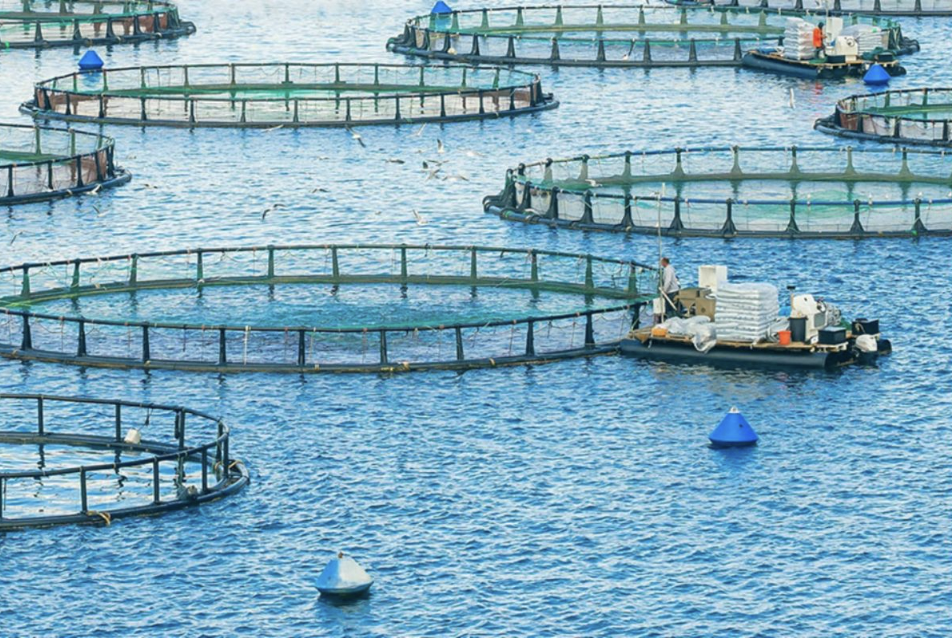
Aquaculture activities continued to remain stable with a controlled farming environment and no major disease outbreaks, maintaining consistent area and output. In July 2025, aquaculture output was estimated at nearly 1.7 thousand tons, up 4% compared to the same period last year. Cumulatively, in the first seven months of 2025, cumulative aquaculture production reached 18.2 thousand tons, up 1.3% compared to the previous year, including fish at approximately 6.8 thousand tons (+4.6%), shrimp at nearly 10.8 thousand tons (-0.6%) and other aquatic products at 594 tons (+1.0%). The total aquaculture area for the first seven months of 2025 was estimated at 5,142 hectares, an increase of 2.6% (+131 ha) with fish farming at 2,322 ha (+2.0%), shrimp farming at 2,346 ha (+2.5%) and other aquatic products at 474 ha (+6.3%). Intensive and semi-intensive methods remained dominant, accounting for over 48.9%, mainly concentrated in brackish water shrimp farming areas. Additionally, utilizing natural ponds and lakes, many households maintained extensive and improved extensive farming models, using thinning and restocking practices, which provided stable economic returns.
Capture fisheries continued to play a dominant role in the output structure. Favorable weather conditions in fishing grounds during July 2025 facilitated offshore fishing operations, resulting in better output compared to the previous year. In July 2025, capture fisheries output was estimated at 12.6 thousand tons, up 0.4% (+51 tons) year-on-year. For the first seven months of 2025, cumulative output exceeded 90 thousand tons (+2.9%; +2.5 thousand tons) with marine capture accounting for 94.5% of the total, reaching nearly 85.2 thousand tons (+2.9%) and inland capture at 4.9 thousand tons (+2%).
The city recorded a total of 4,469 fishing and fishery logistics vessels, an increase of 12.8% (+507 vessels) compared to the previous year with a total capacity of 766.2 thousand CV, averaging 171.4 CV per vessel, down 5.6 CV compared to the same period last year. Fleet structure by operating region included: 1,021 offshore vessels (23.2%), 868 inshore vessels (19.7%) and 2,516 nearshore vessels (57.1%). The main fishing methods included: surface gillnet with 1,394 vessels, single trawl with 432 vessels, bottom gillnet with 492 vessels, handline fishing with 451 vessels and other methods with 980 vessels.