(seafood.vasep.com.vn) According to Vietnam Customs data, as of August 15, 2025, Vietnam’s shrimp exports to China and Hong Kong reached nearly $767 million, up 76% compared to the same period last year and accounting for nearly 29% of Vietnam's total shrimp export value. This is the fastest-growing market for Vietnamese shrimp this year. In the first half of August alone, export value reached nearly $57 million, making up almost 30% of the nation's total shrimp exports.
In terms of product structure, the "other shrimp" category (including lobster, mantis shrimp, etc.) dominated the share and recorded triple-digit growth, particularly for live, fresh and frozen products. This clearly reflects strong consumer demand for premium products such as live lobster. Exports of black tiger shrimp to China also saw double-digit growth, while whiteleg shrimp recorded a decline. However, processed whiteleg shrimp products experienced growth, indicating a gradual shift in consumer preferences toward convenient, ready-to-eat products.
Among enterprises exporting shrimp to China, Phat Loi Trading - Service - Production Co., Ltd. continues to lead, accounting for 19% of the total export value to China, maintaining its No.1 position since 2024.
Recovery in China's frozen warm-water shrimp imports
According to Chinese Customs data, China imported 519,000 tons of frozen warm-water shrimp in the first seven months of 2025, down 2% compared to the same period in 2024. However, the import value rose by 7% to $2.73 billion, driven by a 9% increase in the average price to $5.25/kg. In July alone, import volume surged to over 90,000 tons - the highest since early 2024 - signaling a partial recovery in demand after a sluggish period.
Ecuador continues to dominate, supplying 75% of China’s shrimp imports, equivalent to nearly 389,000 tons in the first seven months. In contrast, India saw a 7% decline, dropping to 76,000 tons, while smaller suppliers like Myanmar, Argentina and Thailand recorded robust growth.
However, the sharp increase in imports in July led to high inventory levels, coupled with weakened demand in the food service sector, causing shrimp import prices in China to continuously decline in August. This indicates a short-term risk of market saturation, particularly in the mainstream shrimp segment.
Ecuador dominates, India loses ground – Vietnam targets niche markets
In the Chinese market, Ecuador currently holds a significant advantage due to its abundant supply, competitive pricing, and products tailored to consumer preferences, particularly in the frozen head-on shrimp segment. India, the second-largest supplier, is gradually losing market share due to challenges in quality control and cost management, while also facing supply fragmentation as it serves multiple markets simultaneously.
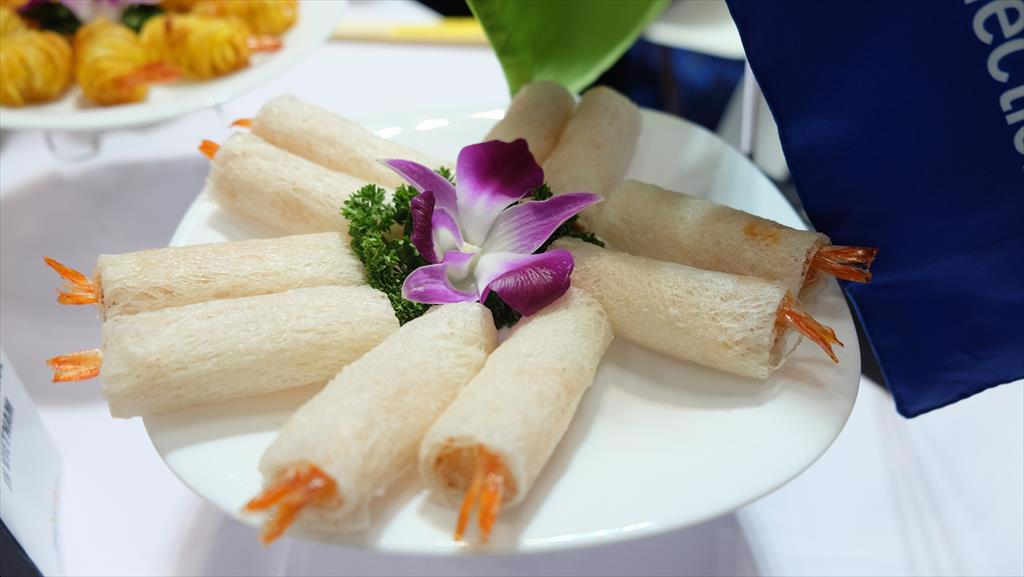
In this context, Vietnamese shrimp has emerged as a complementary option in the premium segment. While Ecuador and India dominate in price and volume, Vietnam is favored for high-quality products such as large-sized black tiger shrimp, live lobster and value-added processed shrimp. This advantage allows Vietnamese shrimp to avoid direct competition with Ecuador in the mainstream segment and opens opportunities to tap into China’s increasingly pronounced demand for premium seafood.
Future directions for Vietnamese enterprises
In the short term, Vietnam’s shrimp exports to China are expected to continue growing, especially during major holidays such as Mid-Autumn Festival, New Year and Lunar New Year, when demand for gifts and seafood consumption surges. Live lobster, large-sized black tiger shrimp and deeply processed whiteleg shrimp will remain the main drivers.
In the medium term, the growing domestic aquaculture production in China will put pressure on imports, while competition from Ecuador and India remains intense. In this context, Vietnamese enterprises need to stay committed to a strategy focused on quality, product diversification and targeting the premium segment. Additionally, strict compliance with regulations on quarantine, traceability and packaging is crucial to ensuring a sustainable presence in this market.